About This Route
UNESCO painted monasteries of northern Moldavia — Voroneț, Moldovița, Sucevița, and Humor with exterior frescoes from the 15th–16th centuries on rolling county roads. Village pace and paved hills make this easy for any classic or low-power campervan after alpine passes; no CNAIR snow gates. Dress modestly at monastery gates and allow time inside each courtyard rather than photographing from the van. Suceava is the practical fuel and overnight base; small campsites and pensions fill the gaps. Best in clear weather when azurite blues and ladder frescoes catch the light.
Detailed Route Guide
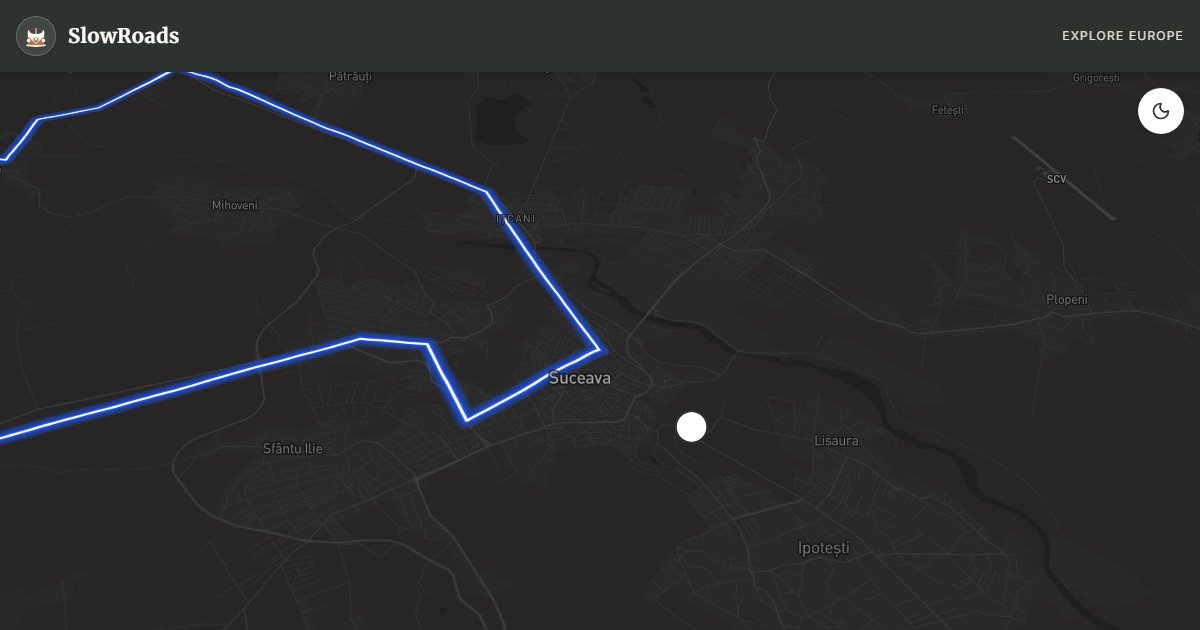
The Bucovina Painted Monasteries circuit is Romania's most spiritually and visually distinctive touring route — a roughly 280-kilometre loop through the rolling hills of northern Moldavia where eight UNESCO World Heritage monasteries preserve exterior fresco cycles painted in the 15th and 16th centuries. Unlike the enclosed art of Western cathedrals, these images were applied to outside walls — the Last Judgment, the Ladder of Virtues, siege of Constantinople — meant to be seen by believers and passersby alike, exposed to weather for five centuries and still luminous. The tradition flourished under Stephen the Great (Ștefan cel Mare), who built a monastery after each of his fifty-two military victories, and reached its artistic peak in the Voroneț blue that art historians compare to Giotto and Matisse.
Voroneț is the icon — the "Sistine Chapel of the East" with its famous azurite Last Judgment covering the western wall. The blue, derived from local minerals and egg tempera, has resisted five centuries of rain and frost with a vibrancy that photographs cannot capture. Moldovița sits in a narrow valley with golden-yellow frescoes and a fortified enclosure that speaks to the border wars of the Ottoman era. Sucevița, the largest and best preserved, displays the green Ladder of Virtues on its north wall — souls ascending and falling in a moral geography rendered in extraordinary detail. Humor, smaller and quieter, offers reddish-brown tones and a forest setting that feels removed from tourism. Between monasteries, villages like Marginea preserve ancient black pottery traditions, and the landscape of hay stacks, wooden gates, and horse-drawn carts moves at a pace unchanged for generations.
For classic and low-power campervan travellers, the Bucovina circuit is mechanically effortless — rolling hills on paved county roads with nothing approaching alpine grades. This makes it an ideal cultural counterpoint after the Transfăgărășan or Transalpina: your engine cools, your brakes recover, and your attention shifts from hairpins to frescoes. Suceava serves as the practical base — a city with supermarkets, fuel, guesthouses offering van parking, and the medieval fortress of Stephen the Great. The monasteries open roughly 9 AM to 5 PM; modest entrance fees apply. Sunday services still take place at several sites — visit respectfully and dress modestly.
Allow two to three days. Day one: Suceava fortress, then south to Humor and Marginea pottery. Day two: Voroneț and Moldovița. Day three: Sucevița and return via the Prislop Pass approach if continuing west toward Maramureș. May through September offers the best light for photographing frescoes; overcast days actually reduce glare on the painted walls. The circuit is open year-round, though winter snow can slow travel on secondary roads. This is slow travel at its most contemplative — park the van, sit on a monastery wall, and read a fresco cycle that has outlasted empires.
Dress modestly at active monasteries and avoid flash during services. Suceava supplies fuel and parking-friendly guesthouses before you roll the painted circuit. Classic and low-power campervans use Bucovina as cultural recovery after alpine days — rolling county roads, no CNAIR snow gates, and frescoes that reward sitting still.
Frequently Asked Questions
Points of Interest
Voroneț Monastery
Monument
The 'Sistine Chapel of the East' — famous azurite blue frescoes depicting the Last Judgment on exterior walls.
Humor Monastery
Monument
Smaller fortified monastery with reddish-brown frescoes and a peaceful forest setting.
Moldovița Monastery
Monument
Fortified monastery with golden-yellow frescoes and a striking gate tower in a narrow valley.
Sucevița Monastery
Monument
The largest and best-preserved fortified monastery — green Ladder of Virtues fresco covering the north wall.
Marginea Pottery Village
Town
A village famous for black ceramic pottery fired using ancient Dacian techniques.
Suceava Fortress
Castle
Medieval citadel and seat of Stephen the Great — start and end point for the monastery circuit.
Route Highlights
Route Information
Navigation
* Supported by HERE Technologies, headquartered in Amsterdam, Europe. Precise routing through all waypoints.
* Waze only navigates to the starting point. Use Google Maps for the full scenic route.
Offline GPS Navigation
Download the GPX route file to navigate offline using your favorite GPS device or app (Garmin, TomTom, OsmAnd, Gaia GPS).
Ask Copilot (AI Travel Guide)
Hello! I am your SlowRoads Copilot. I know the Bucovina Painted Monasteries Circuit intimately. Ask me about scenic viewpoints, local history, hidden culinary gems, or the best camper spots along the way!