About This Route
UNESCO biosphere where the Danube meets the Black Sea — flat delta roads, ferries, reed channels, pelican colonies, and Lipovan fishing villages. Perfect mechanical recovery for classic and low-power campervans after Carpathian passes: no mountain grades, but sandy tracks after rain, fierce mosquitoes May–September, and boat transfers for the deep delta. Fill fuel in Tulcea before entering the channels and carry cash for small ferries. Overnight at delta campsites or guesthouse yards — not on fragile reed banks. Allow two to three slow days for boats and village pace.
Detailed Route Guide
The Danube Delta is unlike anywhere else in Romania — and unlike anywhere else in Europe. Where the Carpathian routes test your van's engine and brakes, the delta tests your patience, your insect repellent, and your willingness to move at the speed of water. Designated a UNESCO Biosphere Reserve and Ramsar wetland of international importance, the delta covers over 5,800 square kilometres of channels, lakes, reed beds, and sand dunes where the Danube splits into three main branches — Chilia, Sulina, and Sfântu Gheorghe — before reaching the Black Sea. It is the second-largest river delta in Europe and one of the continent's most important bird habitats, home to over 300 species including pelicans, cormorants, egrets, and pygmy cormorants in numbers that can fill the sky.
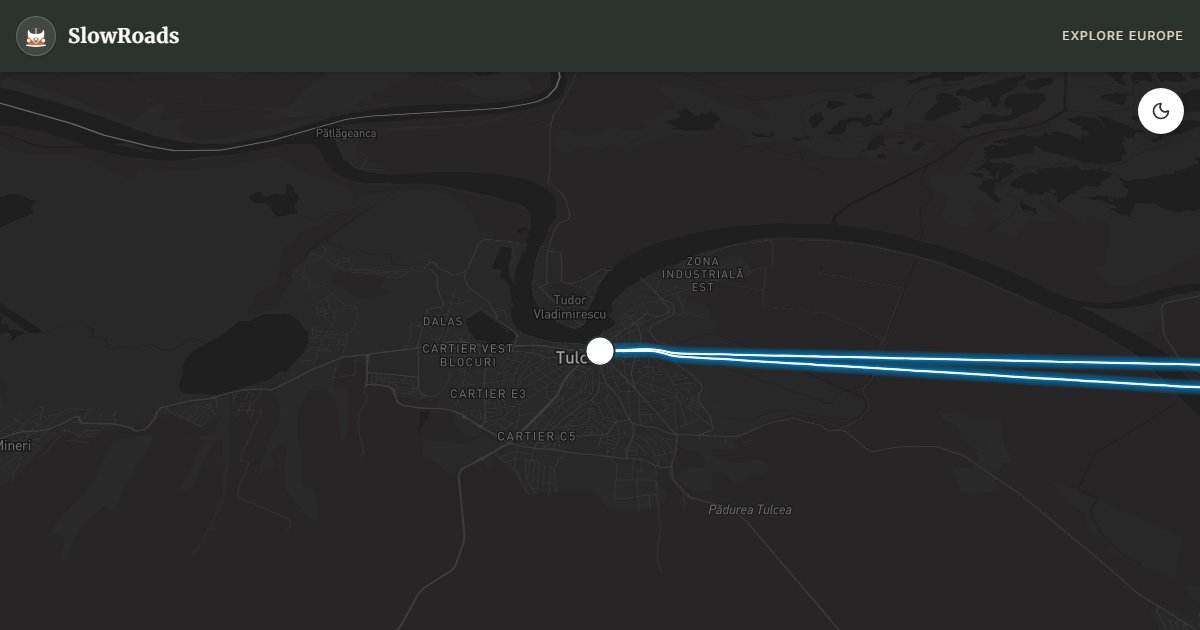
Tulcea is the gateway. This working Danube port has a useful eco-tourism museum explaining delta ecology and the Lipovan community — descendants of Old Believer Russians who fled religious persecution in the 18th century and built their lives on fishing and channel navigation. From Tulcea, the landscape flattens to absolute horizon. Roads follow levees between channels; ferries connect settlements that have no bridge access. Crișan, Mila 23, and Crisan's neighbouring villages offer guesthouses where fishermen serve the previous night's catch. The deeper you penetrate — ideally by boat with a licensed guide, as required in the strictly protected zones — the more the modern world recedes. Letea Forest, accessible from the Sulina branch, is a surreal anomaly: subtropical lianas and wild horses growing on sand dunes at the same latitude as Munich.
For classic and low-power campervan travellers, the delta is a welcome flat interlude after mountain passes. The main levee roads are asphalted but narrow; side tracks to fishing villages can be sandy — drive cautiously with a loaded van and avoid wet tracks after rain. There are no gradients to speak of. The challenges are different: mosquitoes from May through September (bring DEET and mesh screens), limited fuel outside Tulcea and Sulina, and the need to arrange boat trips in advance during peak birdwatching season. Sulina, at the delta's eastern edge where the river meets the sea, has a wild beach and a frontier-town atmosphere — Romania's easternmost settlement feels genuinely remote despite being only 139 kilometres from Tulcea by road and water.
Allow three to four days minimum. Day one: Tulcea to Crișan by road and ferry. Day two: boat excursion to pelican colonies or Letea Forest. Day three: continue to Sulina and the Black Sea beach. Day four: return to Tulcea at an unhurried pace. May and June offer peak bird activity; September brings migration spectacle and fewer insects. The delta rewards silence — park the van, sit on a channel bank at dawn, and watch the reeds come alive.
After Carpathian passes, the delta is mechanical recovery: flat levees, ferry patience, and boat days for pelicans and Letea. Carry water, food, and a full tank from Tulcea. Classic and low-power campervans fit the pace when mosquitoes and soft sand after rain get the same respect you gave coolant on DN7C.
Frequently Asked Questions
Points of Interest
Tulcea Danube Waterfront
Town
Gateway city to the delta with the Danube Eco-Tourism Museum and ferry terminals.
Crișan Village
Town
A Lipovan fishing village on a delta channel — stilt houses, boats, and absolute flatland calm.
Mila 23
Town
Remote delta settlement named for its river-mile marker — heart of traditional fishing culture.
Letea Forest
Nature
Europe's northernmost subtropical forest — wild horses, sand dunes, and lianas in the delta's oldest reserve.
Sulina Beach
Nature
Where the Danube reaches the Black Sea — a wild beach at Romania's easternmost point.
Pelican Colony (Roșca-Buhaiova)
Nature
One of Europe's largest great white pelican breeding colonies — accessible by boat with a licensed guide.
Route Highlights
Route Information
Navigation
* Supported by HERE Technologies, headquartered in Amsterdam, Europe. Precise routing through all waypoints.
* Waze only navigates to the starting point. Use Google Maps for the full scenic route.
Offline GPS Navigation
Download the GPX route file to navigate offline using your favorite GPS device or app (Garmin, TomTom, OsmAnd, Gaia GPS).
Ask Copilot (AI Travel Guide)
Hello! I am your SlowRoads Copilot. I know the Danube Delta Scenic Route intimately. Ask me about scenic viewpoints, local history, hidden culinary gems, or the best camper spots along the way!