About This Route
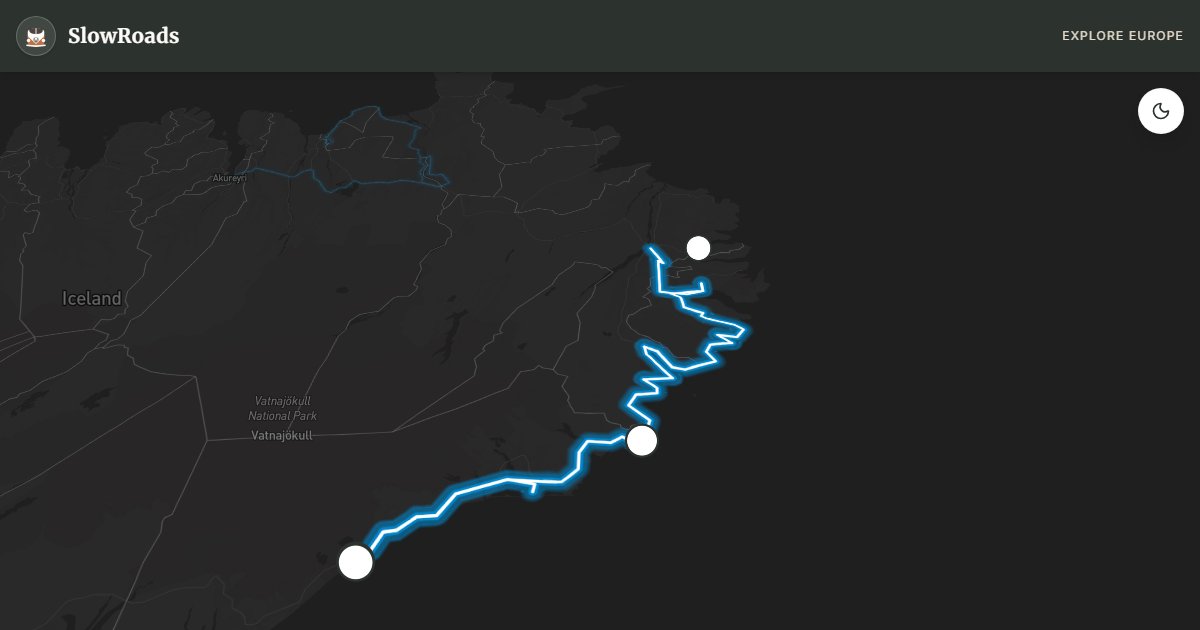
Route 1 east from Höfn through the East Fjords to Egilsstaðir — quieter Ring Road country with fishing villages, single-lane bridges, and an essential detour to Jökulsárlón glacier lagoon and Diamond Beach. Fjord roads and Route 93 to Seyðisfjörður can be narrow, steep, and fog-bound — classic and low-power campervans thrive at fjord pace, not hurry. Fuel gaps exceed 100 km; fill whenever pumps appear. Wild camping needs landowner permission; use village campsites. Two days beat one long push through rain and single-track bridges.
Detailed Route Guide
The eastern section of Iceland's Ring Road (Route 1) is the quiet half of the island — less trafficked than the south coast spectacle, but no less extraordinary. From the lobster town of Höfn, the road traces the edge of Vatnajökull, Europe's largest glacier, before turning north into the East Fjords, a labyrinth of deep inlets, fishing villages, and mountain roads that feel genuinely remote even in summer.
The unmissable detour west of Höfn is Jökulsárlón glacier lagoon, where icebergs calve from the Breiðamerkurjökull tongue and drift in milky blue water before washing onto the black sand of Diamond Beach across the road. Boat tours navigate between the ice; photographers arrive before dawn when the light is soft and the crowds absent. Vestrahorn mountain, near Höfn, offers another iconic composition — jagged peaks reflected in tidal pools on black sand.
Heading north, Route 1 climbs through Berufjörður and the long tunnel to Reyðarfjörður, then continues through a series of fjord indentations — each village smaller and more weather-beaten than the last. Seyðisfjörður, reached via the scenic Route 93 over Fjarðarheiði pass, is the artistic heart of the east: a rainbow-painted church, wooden houses in pastel colours, and a ferry connection to Denmark. The fjord road to Seyðisfjörður has eleven hairpin bends and can be fog-bound; drive slowly.
For vintage van drivers, the east is kinder mechanically than the highlands but demands attention to fuel — distances between stations are long, and Egilsstaðir is the main supply hub. Single-lane bridges require yielding to oncoming traffic; Icelandic etiquette is to give way to whoever is closer. Wind and fog are common on fjord roads. Allow two days minimum, with an overnight in Seyðisfjörður or Egilsstaðir. May through September is the practical window; some fjord roads close in winter.
Fuel discipline matters more here than horsepower. Fill at Höfn before the fjord stretch and again in Egilsstaðir — gaps of 100 km without a pump are normal. Single-lane bridges are part of the rhythm: Icelandic etiquette is to yield to whoever is closer, then proceed slowly. Fog can erase the road on Fjarðarheiði; if visibility collapses, wait rather than push a high-sided classic camper into oncoming traffic you cannot see. Campsites in Höfn, Seyðisfjörður, and Egilsstaðir are the reliable overnight options — wild camping still needs landowner permission, and fjord pull-offs are not free campsites. Give the east two slow days and the Ring Road stops feeling like a race around an island.
Jökulsárlón and Diamond Beach sit on Route 1 west of Höfn — arrive at dawn for ice on black sand without the midday coach wall. Vestrahorn near Höfn is another short detour worth the sand-track caution. Seyðisfjörður's eleven hairpins on Route 93 are paved but fog-prone; check road.is before climbing Fjarðarheiði in a loaded older camper. The east rewards travellers who measure days in fjords stopped at, not kilometres covered.
Egilsstaðir is the east's supply hub — supermarket, workshops, and the last easy fuel before remote fjord spurs. If you continue toward Mývatn later, treat this town as a reset rather than a drive-through. Classic and low-power campervans that overnight here wake to quieter roads than the south coast ever offers in July.
Frequently Asked Questions
Points of Interest
Jökulsárlón Glacier Lagoon
Nature
Icebergs calving from Breiðamerkurjökull into a milky blue lagoon.
Diamond Beach
Nature
Clear ice chunks washed onto black sand — best at sunrise.
Seyðisfjörður
Town
A colourful art-town at the end of a dramatic fjord road with a rainbow-painted church.
Vestrahorn Mountain
Nature
Jagged peaks rising from a black sand shore near Höfn.
Route Highlights
Route Information
Navigation
* Supported by HERE Technologies, headquartered in Amsterdam, Europe. Precise routing through all waypoints.
* Waze only navigates to the starting point. Use Google Maps for the full scenic route.
Offline GPS Navigation
Download the GPX route file to navigate offline using your favorite GPS device or app (Garmin, TomTom, OsmAnd, Gaia GPS).
Ask Copilot (AI Travel Guide)
Hello! I am your SlowRoads Copilot. I know the Ring Road East: Fjords to Glacier Lagoon intimately. Ask me about scenic viewpoints, local history, hidden culinary gems, or the best camper spots along the way!