About This Route
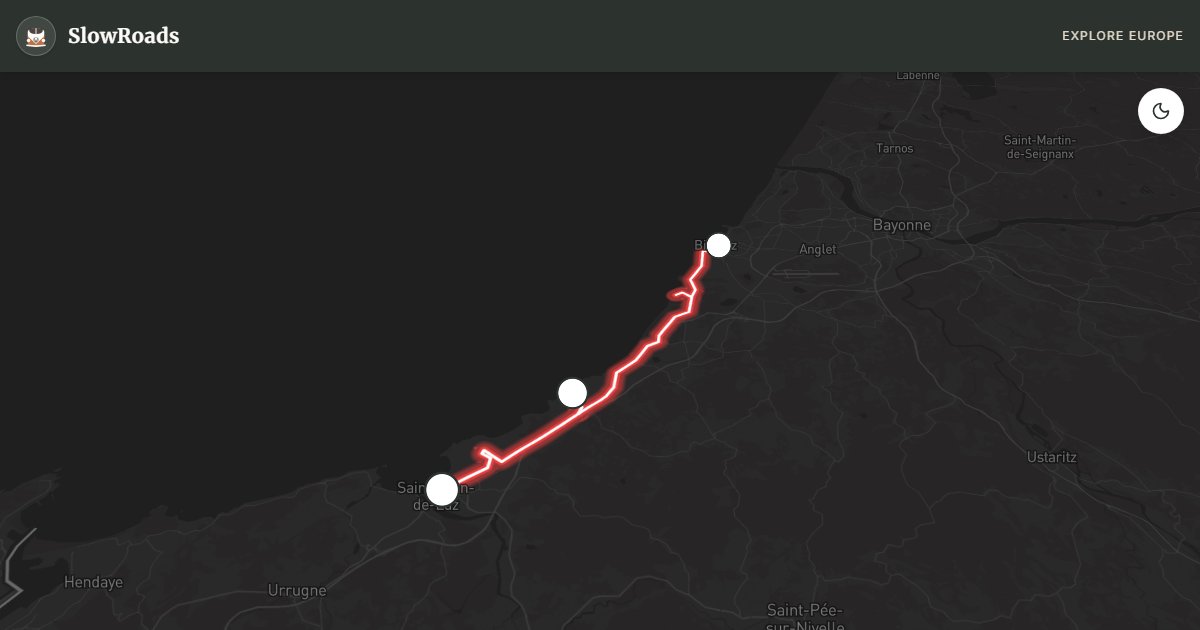
Biarritz to Saint-Jean-de-Luz on the French Basque coast: Belle Époque surf beaches, Guéthary's cliff break, pelota frontons and Euskara bilingual signs. Flat D810 suits classic campervans; harbour parking is tight in summer — use aires between Biarritz and Anglet. Perfect one-day coastal amble, or two with Espelette peppers inland. September is the sweet spot: Atlantic swells, thinner crowds and restaurants back on local rhythm. Fold mirrors in Guéthary's lanes; overnight on municipal aires, not the seafront promenade. A short, cultural Atlantic drive with zero mountain gradients.
Detailed Route Guide
The Basque coast from Biarritz to Saint-Jean-de-Luz covers just twenty-five kilometres — a short distance that packs Belle Époque grandeur, Atlantic surf culture, and the distinct Basque language (Euskara) into a single day's coastal amble. Biarritz rose from a whaling village to an imperial resort when Napoleon III and Empress Eugénie built the Hôtel du Palais above the Grande Plage, where board surfers now share the break with bodyboarders and the promenade fills with evening strollers. The D810 and coastal roads run flat and scenic between elegant resorts — ideal territory for a classic campervan with no mountain gradients to worry about.
Guéthary, midway along the route, is the smallest fishing village on the Basque coast — a handful of houses above a cliff-side break that produces some of the heaviest shore waves in France when Atlantic swells align. Its lanes are narrow enough to require mirror folding and patient passing, but the reward is pintxos bars where Basque cod and peppers arrive from kitchens smaller than a campervan interior. Saint-Jean-de-Luz at the route's end is where Louis XIV married the Infanta Maria Theresa in 1660 — the church of Saint-Jean-Baptiste still holds the golden altar where the union sealed peace between France and Spain, and the harbour fills with coloured fishing boats that supply the town's seafood restaurants.
Basque pelota frontons — walled courts for the regional sport, played bare-handed or with bat or chistera (curved basket) depending on the variant — appear in every village square, and summer evenings often bring local matches audible from the street. The Basque language (Euskara) appears on bilingual signage throughout, a reminder that this coast sits on a cultural border where French tax law meets Atlantic identity. Extend the day with a side trip inland to Espelette for dried pepper markets, or west to Hendaye on the Spanish frontier if you have a second morning. The Côte des Basques beach below Biarritz remains one of Europe’s classic surf watches even if you never paddle out.
Parking in Biarritz's Grande Plage area and Saint-Jean-de-Luz harbour can be tight in summer — use municipal aires and campgrounds between Biarritz and Anglet rather than overnighting on the seafront, which is prohibited in peak season. Guéthary has minimal space for larger vans; visit by day and sleep in Biarritz or Saint-Jean-de-Luz. September is the sweet spot: Atlantic swells still deliver surf at the Côte des Basques, crowds thin, and harbour restaurants return to local rhythm. May brings pelota tournaments; winter storms dramatise the Guéthary cliff walk but many seasonal restaurants close November to March. Carry a windbreak mindset — Atlantic fronts can rock a high-sided van on exposed harbour car parks — and treat this short route as a cultural immersion rather than a transit hop toward Spain.
If you continue into Spain for a day, remember that French aires etiquette does not automatically transfer — check local overnight rules in Hondarribia or San Sebastián. On the French side, morning markets in Saint-Jean-de-Luz sell fresh tuna and peppers that travel well in a coolbox, and a late swim at Grande Plage after the day-trippers leave is one of the simplest pleasures of a slow Atlantic itinerary.
Frequently Asked Questions
Points of Interest
Biarritz Grande Plage
Nature
Iconic surf beach
Guéthary
Town
Tiny Basque fishing village
Saint-Jean-de-Luz
Town
Royal wedding port town
Route Highlights
Nearby Scenic Drives
Route Information
Navigation
* Supported by HERE Technologies, headquartered in Amsterdam, Europe. Precise routing through all waypoints.
* Waze only navigates to the starting point. Use Google Maps for the full scenic route.
Offline GPS Navigation
Download the GPX route file to navigate offline using your favorite GPS device or app (Garmin, TomTom, OsmAnd, Gaia GPS).