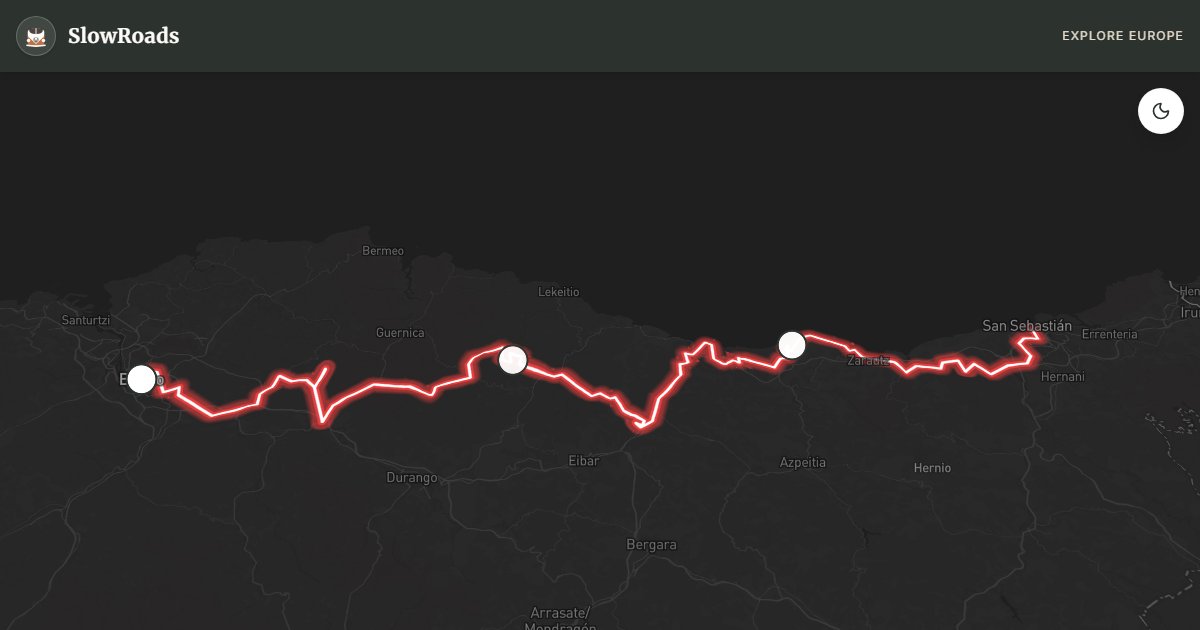
About This Route
Follow the Basque coast from San Sebastián to Bilbao via Getaria and Zumaia's flysch cliffs — pintxos, txakoli poured from height, and green headlands over the Cantabrian Sea. Prefer the toll-free N-634 and coastal corniches over the AP-8 (regional tolls via Bidegi/Interbiak). Compact classic campervans suit harbour towns if you park at Martutene or waterfront áreas and walk old-town lanes. Two days cover La Concha and Parte Vieja, then Getaria grill houses, Urdaibai views, and the Guggenheim. September gastronomy and June greens beat August festival crowds; winter rain is dramatic but closes many seasonal kitchens.
Detailed Route Guide
One hundred kilometres from San Sebastián to Bilbao follow the Basque coast (Euskadi) where green headlands plunge into the Cantabrian Sea, pintxos bars compete block by block, and surf breaks at Zurriola and Mundaka draw Atlantic swells year-round. The AP-8 autopista offers fast transit but carries Basque Country tolls (Bidegi/Interbiak); the scenic, toll-free choice is the N-634 and coastal corniches through Getaria, Zarautz, and Lekeitio — rolling country with occasional steep descents to harbours that a classic or low-power campervan handles comfortably if you downshift early. Plan two days: the first for Donostia's old town and coastal walks, the second for Bilbao's Guggenheim and the iron-industry estuary towns between.
San Sebastián anchors the route with La Concha bay — a perfect crescent backed by Belle Époque balconies — and a Parte Vieja where every doorway hides another pintxos counter serving bacalao, gilda skewers, and txakoli sparkling wine poured from height. The Monte Igueldo funicular lifts you above the bay for panorama photographs without driving narrow hillside lanes. Westward, Getaria is the birthplace of explorer Juan Sebastián Elcano and home to grilled turbot restaurants above a working fishing port; Zarautz offers the longest beach on the Basque coast and a surf school culture that spills into campervan parking lots on competition weekends.
Bilbao at the route's western end transforms the industrial Nervión estuary with Frank Gehry's titanium Guggenheim Museum — plan half a day for the collection and the riverside sculpture walk linking the museum to the Casco Viejo's seven original streets (siete calles). Between the two cities, the Urdaibai Biosphere Reserve at Mundaka protects marshland and one of Europe's most famous left-hand surf waves; even non-surfers should walk the clifftop path above Laga beach. Basque identity runs deep here — Euskara appears on bilingual signage, and Sunday markets in small towns sell Idiazabal sheep's cheese and cider by the bottle. The Txakoli wine route through Getaria adds vineyard stops without leaving the coastal corridor.
Parking a campervan in San Sebastián requires strategy: the Zurriola aire and campgrounds west of the city centre avoid the old town's impossible lanes. Bilbao's Campos de Elexalde aire sits near the river with bus links to the Guggenheim — do not attempt Casco Viejo streets in a classic campervan. Summer fills aires by afternoon; September delivers surf swell without August festival crowds. May and June bring green hills and mild evenings for pintxos crawls; winter rains dramatise the coast but many seasonal restaurants close January through February. If you are continuing into France, the border at Irún/Hendaye is a short hop east of San Sebastián — useful for linking this Spanish Basque coast drive with the French Côte Basque without a long inland detour. Expect sudden Atlantic showers even in summer — keep a dry bag for electronics and allow extra time on wet coastal corniches where painted lines can be slick for older vans with modest tyres. Learn a few Euskara greetings — locals appreciate the effort, and bilingual menus make pintxos crawls easier when Spanish alone feels thin in smaller harbour bars.
Frequently Asked Questions
Points of Interest
Getaria
Town
Medieval fishing port, txakoli
Zumaia Flysch
Nature
Geological coastal formations
Guggenheim Bilbao
Monument
Iconic titanium museum
Route Highlights
Nearby Scenic Drives
Route Information
Navigation
* Supported by HERE Technologies, headquartered in Amsterdam, Europe. Precise routing through all waypoints.
* Waze only navigates to the starting point. Use Google Maps for the full scenic route.
Offline GPS Navigation
Download the GPX route file to navigate offline using your favorite GPS device or app (Garmin, TomTom, OsmAnd, Gaia GPS).
Ask Copilot (AI Travel Guide)
Hello! I am your SlowRoads Copilot. I know the Basque Coast (Spanish) intimately. Ask me about scenic viewpoints, local history, hidden culinary gems, or the best camper spots along the way!