About This Route
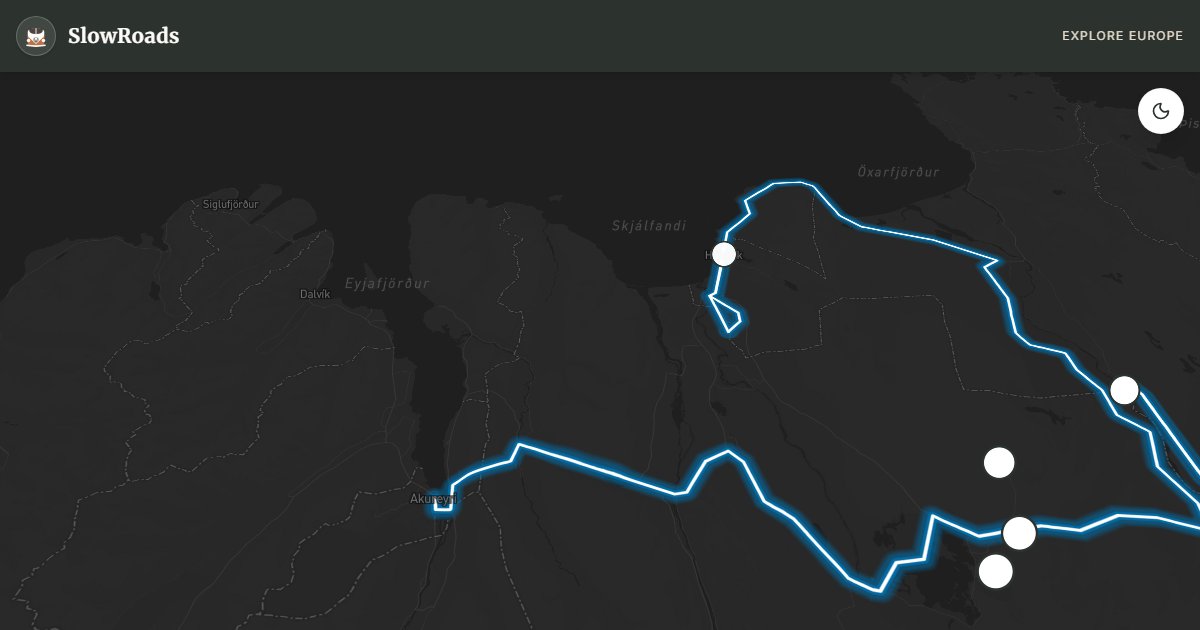
North Iceland's geothermal heart: Lake Mývatn, Hverir mud pots, Krafla, Dettifoss, and Húsavík whales — a two-day classic-campervan loop from Akureyri for patient drivers. Use paved Road 862 (west) to Dettifoss; rough 864 (east) is poorer for low-power vans. F88 to Askja is an F-road — not for standard 2WD campers. Midges are intense June–July around the lake; nets help at evening stops. Camp at designated sites; wild camping needs landowner permission. Fill fuel in Reykjahlíð or Húsavík before empty highland approaches.
Detailed Route Guide
The Lake Mývatn region is north Iceland's geological showcase — a landscape forged by eruptions, carved by glacial floods, and still actively steaming. Roughly 90 kilometres east of Akureyri via Route 1, the Mývatn area centres on a shallow lake famous for its birdlife (particularly ducks — the name means "midge lake," and yes, summer midges are intense) and surrounded by some of the most accessible volcanic terrain in Iceland. For slow van travellers, this is a two-day minimum destination that rewards unhurried exploration.
Hverir (Námaskarð) is the first stop that stops you in your tracks — a field of steaming fumaroles, bubbling mud pots, and sulphur-stained earth that looks like Mars. Boardwalks keep you safe from collapsing ground; the smell of sulphur is overpowering. Nearby Krafla volcano offers a short hike to Víti crater, a turquoise lake in a caldera, and views over the geothermal power station that harnesses the same underground heat.
Dettifoss, Europe's most powerful waterfall by volume, lies about 45 minutes east via Road 862 or 864. The falls are 100 metres wide and 44 metres high, and the roar is felt in your chest before you see the spray. Road 862 (west side) is paved and the better choice for two-wheel-drive vans; 864 (east) is rough gravel and more seasonal. A classic or low-power campervan reaches Dettifoss easily on 862 in normal conditions — still check road.is in shoulder seasons. Do NOT attempt F-road F88 toward Askja in a standard van; it requires river crossings and 4x4 clearance.
End the loop in Húsavík, Iceland's whale-watching capital, where minke and humpback whales feed in Skjálfandi bay from May to September. The town's wooden church and harbour restaurants make a gentle finale. Camping at Mývatn or Húsavík is straightforward; the Mývatn Nature Baths offer a less crowded alternative to the Blue Lagoon. Visit June through September; winter roads to Dettifoss may close.
Practical pacing turns Mývatn into a two-day base rather than a checklist. Spend one night near the lake for Hverir, Krafla, and the Nature Baths, then a second toward Húsavík for whales and a quieter harbour evening. Midges peak in June–July — head nets are not optional near still water. Road 862 to Dettifoss is the paved choice for classic and low-power campervans; treat 864 as seasonal gravel and F88 toward Askja as off-limits without a true 4x4. Campsites at Vogar, Hamrar, and Húsavík keep you legal; landowner permission still applies if you leave designated sites. Arrive with fuel from Akureyri or Reykjahlíð — highland spurs are not the place to discover an empty tank.
Grjótagjá is a look-only geothermal cave now — swimming is no longer permitted. Krafla's Víti crater and the power-station overlook show the same underground heat that feeds the Nature Baths. Húsavík's whale boats run May–September; book ahead in July. Classic and low-power campervans thrive on this northern loop when they treat midges, fuel gaps, and F-road temptation as the real hazards — not horsepower.
Akureyri supplies the northern loop before you commit east on Route 1. Between lake and waterfall, leave slack for weather windows — Dettifoss spray and Hverir steam both punish rushed schedules. Classic and low-power campervans finish stronger when they treat Mývatn as a base camp, not a single long day.
Frequently Asked Questions
Points of Interest
Hverir (Námaskarð)
Nature
Steaming fumaroles and bubbling mud pots in a Mars-like landscape.
Dettifoss Waterfall
Nature
Europe's most powerful waterfall by volume — 100 metres wide, 44 metres high.
Grjótagjá Cave
Nature
A geothermal spring cave featured in Game of Thrones — swimming no longer permitted.
Húsavík Whale Watching
Town
Iceland's whale-watching capital with minke and humpback sightings.
Krafla Power Station
Monument
Geothermal power plant beside an active volcanic caldera with a crater lake.
Route Highlights
Route Information
Navigation
* Supported by HERE Technologies, headquartered in Amsterdam, Europe. Precise routing through all waypoints.
* Waze only navigates to the starting point. Use Google Maps for the full scenic route.
Offline GPS Navigation
Download the GPX route file to navigate offline using your favorite GPS device or app (Garmin, TomTom, OsmAnd, Gaia GPS).
Ask Copilot (AI Travel Guide)
Hello! I am your SlowRoads Copilot. I know the Lake Mývatn & Northern Volcanic Wonders intimately. Ask me about scenic viewpoints, local history, hidden culinary gems, or the best camper spots along the way!