About This Route
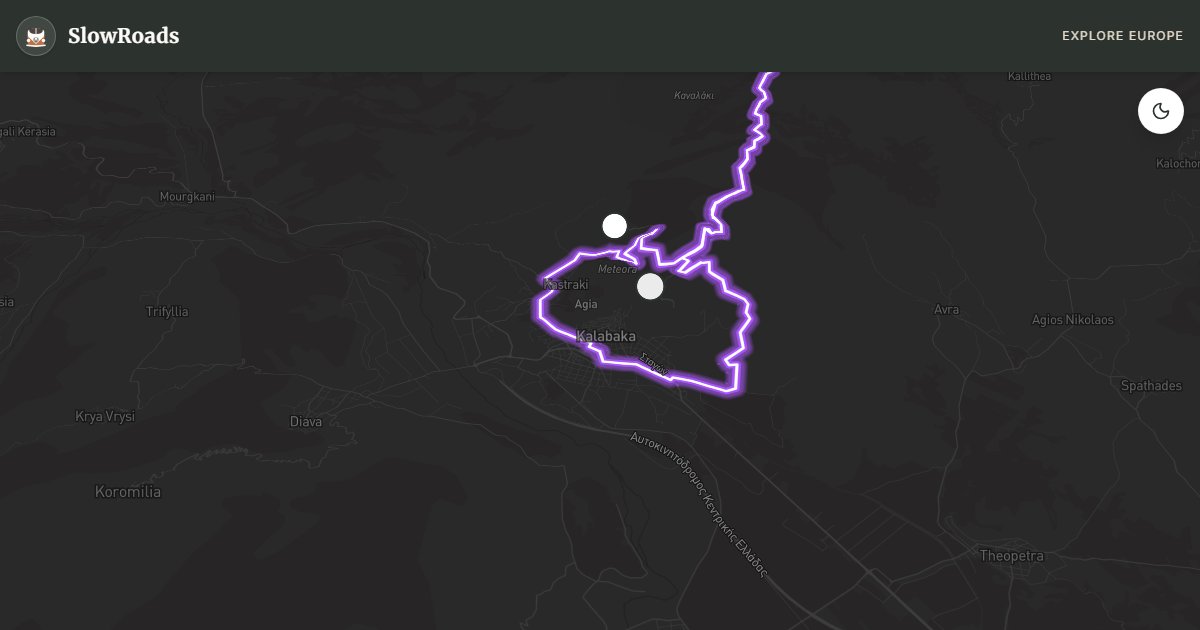
Loop the UNESCO monasteries of Meteora above Kalabaka — about 26 km of short steep switchbacks for patient classic campervans. Six active monasteries crown conglomerate pillars; dawn viewpoints beat coach queues. Cool early, use low gears, and leave the van in marked lots — monastery access is on foot. Organised campsites in Kalabaka or Kastraki only; wild camping near the rocks is illegal. April–June and September–October offer cooler climbs than July heat. Sound brakes matter on descents. A single unhurried day covers the loop if you start at first light and skip midday peak traffic.
Detailed Route Guide
Few places on earth prepare you for Meteora. The name means "suspended in air" in Greek, and the moment you round the bend approaching Kalabaka and those impossible columns of conglomerate rock rise from the plain, the word feels entirely apt. These rock pillars — some reaching over 400 metres — were formed by the erosion of a prehistoric riverbed over millions of years, and they have an almost otherworldly presence, particularly at dawn and dusk when mist pools around their bases. The first hermit monks arrived in the 9th century, drawn by the inaccessibility that these columns offered. By the 14th century, a monastic community had taken hold, building directly on top of the pillars using ropes, nets, and extraordinary determination. At the movement's peak, 24 monasteries crowned the rocks; today six remain active and are open to visitors.
The driving loop itself is short — barely 26 kilometres — but it belongs to a category of drives measured in experiences rather than distance. The road spirals up from Kalabaka and Kastraki through a series of tight switchbacks, delivering viewpoints of the monasteries from every conceivable angle. The Great Meteoron (Transfiguration Monastery) is the largest and oldest, perched at about 613 metres above sea level and reached by roughly 145–150 steps cut into the rock face. The Monastery of the Holy Trinity (Agia Triada) is perhaps the most dramatically positioned, rising from a solitary pillar on three sides of sheer cliff — famously used as a filming location in the James Bond film "For Your Eyes Only." Visiting all six monasteries requires multiple days; each has different opening hours and a dress code (no shorts, covered shoulders).
For a classic or low-power campervan, Meteora is achievable but demands respect. The switchback roads are steep and the hairpin turns are tight — second gear will be your constant companion on the ascent. Overheating can be a concern in July and August when the asphalt temperature on a cloudless southern Greek afternoon is severe. If your coolant system is less than perfect, tackle this route in the morning. The saving grace is that the total distance is so short that there is no sustained climb — it's intense but brief. Parking at the monasteries can be tight, especially in peak season, but the road shoulders are typically wide enough for a classic campervan with careful positioning.
The optimal approach for a slow traveler is to base yourself in Kalabaka or Kastraki for two nights. Drive the loop at sunrise (the monasteries typically open at 9am, but the road is public at all hours) before the tour coaches arrive, then again at golden hour before sunset — the light on the rock pillars at dusk is extraordinary. Spring (April–May) and autumn (September–October) offer the most pleasant temperatures and the fewest crowds. Summer brings intense heat and crowds but also the striking sight of thunderstorms building over the pillars on humid afternoons. In winter, snow occasionally dusts the peaks, creating a scene of remarkable beauty, though some monasteries reduce their opening hours.
Frequently Asked Questions
Points of Interest
Great Meteoron Monastery
Monument
Largest and oldest active Meteora monastery
Monastery of the Holy Trinity
Monument
Dramatic pillar monastery and Bond film location
Route Highlights
Route Information
Navigation
* Supported by HERE Technologies, headquartered in Amsterdam, Europe. Precise routing through all waypoints.
* Waze only navigates to the starting point. Use Google Maps for the full scenic route.
Offline GPS Navigation
Download the GPX route file to navigate offline using your favorite GPS device or app (Garmin, TomTom, OsmAnd, Gaia GPS).