About This Route
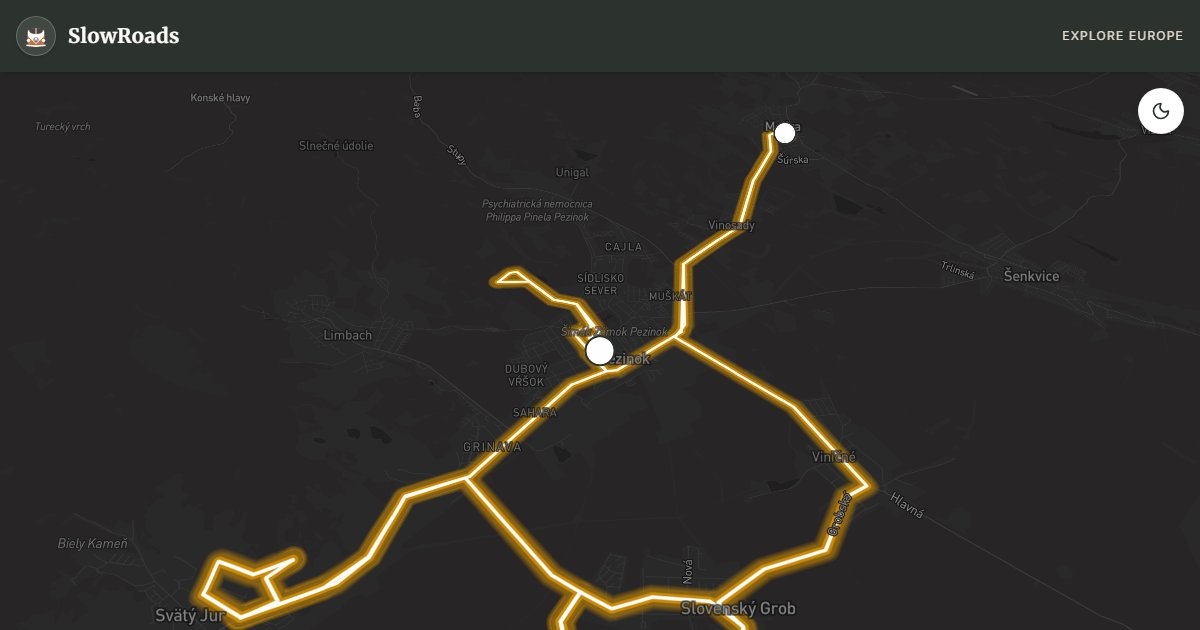
A gentle vineyard circuit through the Small Carpathian hills northeast of Bratislava — Modra, Pezinok, and Svätý Jur cellars, folk pottery workshops, and castle ruins above vine rows. Flat to moderate grades complete the Visegrád wine arc with Czech Moravia and Hungarian Tokaj for classic and low-power campervans. Taste with a plan for a sober driver; park at cellar lots. An easy culture day from the capital — autumn harvest colour, cellar doors, and short hops between villages. Soft recovery after Tatras climbs.
Detailed Route Guide
The Small Carpathian Wine Route northeast of Bratislava is Slovakia's answer to Moravia and Tokaj — a rolling landscape of vineyard terraces, cellar lanes, and hilltop castle ruins where every village claims a centuries-old wine tradition and folk pottery workshops still fire blue Majolica in wood-burning kilns. This roughly 52-kilometre circuit linking Pezinok, Modra, Svätý Jur, and the forest castle of Červený Kameň is the gentlest Slovak route and the perfect coda to a Visegrád wine trilogy alongside Czech Moravian Wine Hills and Hungary's Tokaj Wine Region: flat to moderate grades, van-friendly cellar parking, and a pace dictated by tasting rooms rather than mountain hairpins.
Pezinok is the wine capital of the Small Carpathians — a town whose identity is stamped on every facade with grape motifs and whose cellar lanes (vinohradnícka ulica) invite visitors into vaulted tasting rooms carved into hillsides. Frankovka modrá (Blaufränkisch) and Rizling vlašský (Welschriesling) dominate local production; most cellars offer tastings from €2–5 per glass without appointment, though calling ahead for groups is courteous. The annual Pezinok wine festival in September fills the streets with barrels and brass bands — book accommodation months ahead or camp at the municipal autocamp on the town edge.
Modra, ten minutes east, shifts the emphasis from wine to craft. This Slovak intangible-heritage pottery town is the country's Majolica heartland — workshops along the main street sell hand-painted Majolica in distinctive blue patterns, and several allow visitors to watch throwing and firing demonstrations. Modra's wine cellars are equally historic; the combination of pottery shopping and afternoon tasting makes a natural half-day stop. Parking in the village centre accommodates vans on weekdays; weekends require the lower lot near the church.
Červený Kameň castle rises from forest above the Modra-Pezinok ridge — a restored Renaissance fortress with one of Central Europe's finest private armour collections, period interiors, and terrace views across the vine-covered Small Carpathians toward Bratislava's distant sprawl. The castle is a twenty-minute detour from Modra on a paved forest road with moderate grades. Allow two hours for the interior tour.
Svätý Jur, south of Pezinok, has a long documented wine-growing tradition — terraced slopes below a Gothic church spire, family cellars, and walking paths through active vineyards. The village is quieter than Pezinok and Modra, ideal for a contemplative afternoon stroll with a bottle purchased directly from a grower.
For classic and low-power campervan travellers, this route is mechanically effortless — the perfect rest day between mountain stages. Bratislava lies twenty minutes south with Danube waterfront parking, old town walks, and Slovakia's best van services. Camp at Pezinok autocamp, Modra guesthouses, or Bratislava's riverfront stellplatz. Visit May through October; harvest season (September) is festive but crowded. Combine eastward with Hungarian Tokaj and northward with Czech Moravian Wine Hills for the complete central European slow-wine corridor. This is the mechanical rest day Slovakia's mountain routes earn: grades stay gentle, cellar lanes need walking from lower lots, and Bratislava's services sit twenty minutes south if a classic campervan needs parts or a workshop. Carry cash euros for walk-in tastings; book ahead only for harvest weekends in September. Červený Kameň's forest approach is paved and moderate — vans park below and walk up. Link east to Hungarian Tokaj and north to Czech Moravian wine hills for the full Visegrád slow-wine corridor without another alpine pass.
Frequently Asked Questions
Points of Interest
Modra Pottery Workshops
Town
Slovak intangible-heritage pottery town — blue-pattern Majolica sold in workshops along the main street.
Pezinok Wine Cellars
Wine Region
Historic wine town with cellar lanes (vinohradnícka ulica) offering tastings of Frankovka and Rizling.
Červený Kameň Castle
Castle
A restored Renaissance fortress in the forest above Modra with armour collections and vineyard views.
Svätý Jur Vineyards
Wine Region
A historic wine-growing town with centuries of documented tradition — terraced slopes and Gothic church spire.
Bratislava Gateway
Town
Slovakia's capital 20 minutes south — Danube waterfront, old town, and urban van parking options.
Route Highlights
Nearby Scenic Drives
Route Information
Navigation
* Supported by HERE Technologies, headquartered in Amsterdam, Europe. Precise routing through all waypoints.
* Waze only navigates to the starting point. Use Google Maps for the full scenic route.
Offline GPS Navigation
Download the GPX route file to navigate offline using your favorite GPS device or app (Garmin, TomTom, OsmAnd, Gaia GPS).
Ask Copilot (AI Travel Guide)
Hello! I am your SlowRoads Copilot. I know the Modra Small Carpathian Wine Route intimately. Ask me about scenic viewpoints, local history, hidden culinary gems, or the best camper spots along the way!