About This Route
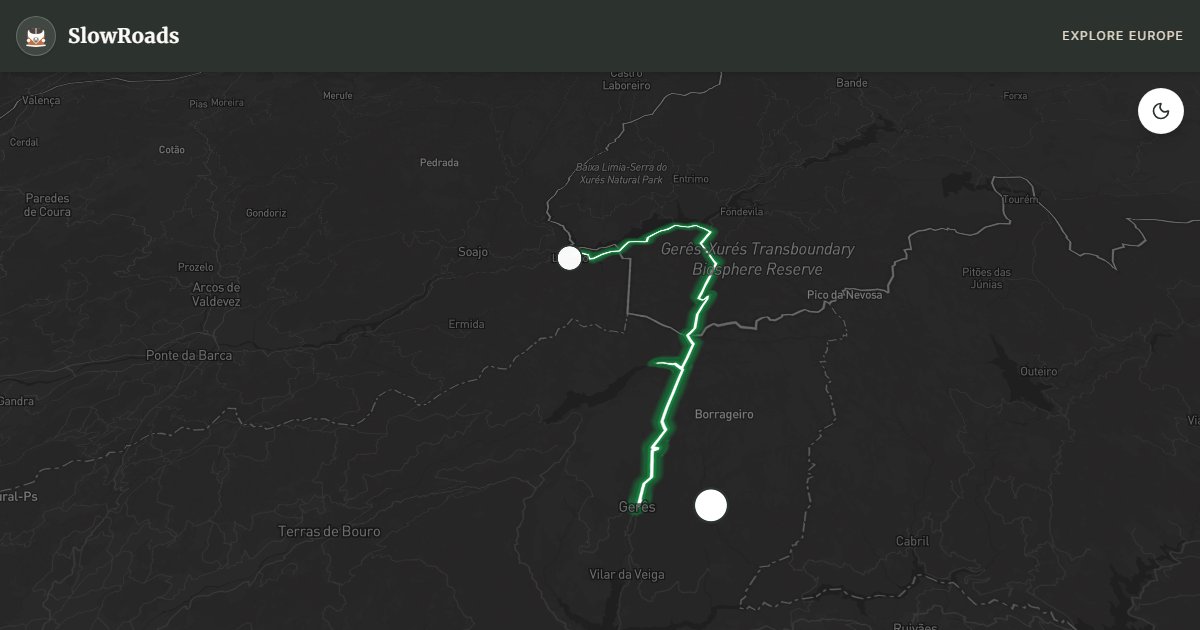
Drive Portugal's only national park from Gerês to Lindoso — granite mountains, oak forests, Garrano ponies, and the Geira Roman road for classic campervans. Expect narrow climbs, free-roaming livestock, and Arado waterfall stops that reward patience over speed. Spring waterfalls and autumn chestnuts beat August crowds on the park roads. Overnight only at designated campsites (Gerês, Campo do Gerês) — wild camping inside the park is prohibited and enforced. Fill fuel before entering quieter valleys and yield early to oncoming locals on single-track stretches.
Detailed Route Guide
Peneda-Gerês National Park is Portugal's only national park and one of Iberia's most important wilderness areas — ancient granite mountains, dense Atlantic oak forest, and deep river gorges along the northern border with Spanish Galicia. The drive from Gerês to Lindoso covers just 33 kilometres but shifts from spa village to high mountain wilderness to medieval border village in a compressed distance. This is the Portugal most Lisbon and Algarve visitors never see: prehistoric, granite, and deeply particular in its traditions.
Established in 1971, the park protects remarkable biodiversity. Garrano wild ponies — a Celtic breed that has roamed these mountains since the Bronze Age — frequently block mountain roads, grazing freely and habituated to traffic. Wild boar, roe deer, and otters are present; the Lima and Homem rivers are among the last Portuguese refuges of the Iberian wolf. The Geira (Via XVIII), the Roman road that once linked Bracara Augusta (Braga) to Asturica Augusta (Astorga), follows the Rio Homem valley through the park, with milestone markers still standing after two millennia.
For classic and low-power campervan drivers, Peneda-Gerês demands respect. Park roads are narrow, steep in places, and shared with livestock. Budget extra time, use low gears on climbs, monitor cooling, and expect to stop for ponies. The reward is access to landscapes that feel remote and ancient — stone villages above river gorges, house-sized granite boulders in oak forest, and changing light on high ridges. The Vilarinho das Furnas reservoir, created in 1972 when the old village was submerged, reveals foundations and walls when water levels drop in dry summers — one of Portugal's quietly haunting sights. Overnight only at designated campsites; wild camping inside the national park is prohibited.
Best seasons: spring (April–June) when snowmelt feeds waterfalls and oaks are vivid green, and early autumn (September–October) when heat breaks and chestnut harvest fills village squares. July–August are popular with Portuguese families at swimming spots and campsites. Caldas do Gerês thermal village makes an excellent base, with hot-spring pools, services, and evening walks.
Fill up before entering the quieter park lanes; services thin out quickly north of Caldas do Gerês. Mobile signal drops in granite folds — download offline maps and tell someone your rough itinerary if you plan side valleys toward Soajo or the Spanish border. After rain, leaf litter and wet granite make descents slippery for drum-brake classics: leave longer gaps and avoid sudden stops behind pony herds. Pair the drive with at least one short walk — Arado or a Geira milestone stretch — so the day is not only about climbing in first gear.
Lindoso's espigueiros photograph best in late-afternoon side light; the castle ramparts give a clean view into Spain on clear days. If you cross toward Galicia, remember Portuguese IMT overnight rules do not travel with you — Spanish park and municipal rules apply immediately. Back on the Portuguese side, treat every unsigned forest clearing as off-limits for sleeping: the national park's value depends on visitors using campsites and leaving granite meadows to the ponies and wolves.
Frequently Asked Questions
Points of Interest
Lindoso Castle & Granaries
Castle
Arado Waterfall
Nature
Route Highlights
Nearby Scenic Drives
Route Information
Navigation
* Supported by HERE Technologies, headquartered in Amsterdam, Europe. Precise routing through all waypoints.
* Waze only navigates to the starting point. Use Google Maps for the full scenic route.
Offline GPS Navigation
Download the GPX route file to navigate offline using your favorite GPS device or app (Garmin, TomTom, OsmAnd, Gaia GPS).
Ask Copilot (AI Travel Guide)
Hello! I am your SlowRoads Copilot. I know the Peneda-Gerês Northern Wilderness intimately. Ask me about scenic viewpoints, local history, hidden culinary gems, or the best camper spots along the way!