About This Route
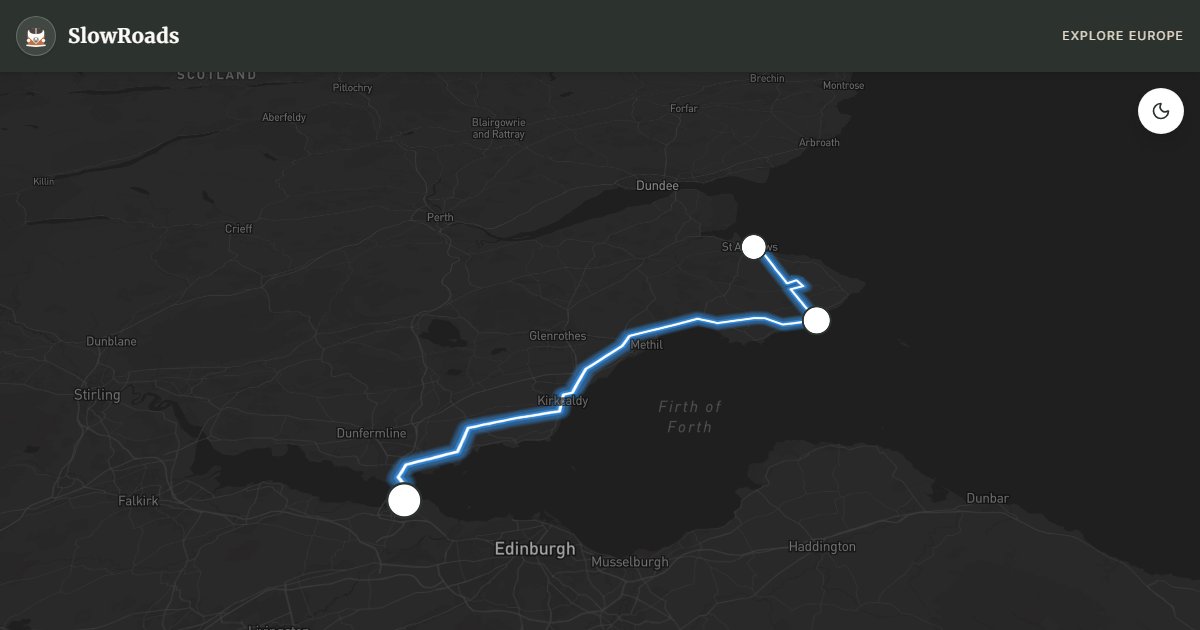
St Andrews to North Queensferry: East Neuk villages, cathedral ruins and the UNESCO Forth Bridge — gentle coastal driving for older campervans. Low gradients, fish and chips in Anstruther, and tight historic parking — use East Sands for vans. One to two easy days before Edinburgh; photograph the Forth Bridge from waterfront viewpoints, not the A90. May and September offer long light without peak golf-tournament gridlock. Respect early harbour landings when overnighting near working ports. Pair cathedral ruins with a harbour stroll before the bridge views.
Detailed Route Guide
The Fife Coastal Path Drive links St Andrews to North Queensferry in roughly seventy-five kilometres of east-coast character — golf history, medieval ruins, fishing villages, and the UNESCO Forth Bridge rising from the firth like Victorian engineering made cathedral. One to two days suffices for the main road thread, though walkers parallel the shore on the long-distance path while campervans hop between harbours. Low gradients and good surfaces make this one of Scotland's easiest scenic drives for an older or low-power campervan; the challenge is parking in historic towns, not climbing hills.
Begin at St Andrews Cathedral ruins — once the largest church in Scotland, now open sky and sandstone arches above the North Sea. The Old Course and clubhouses need no introduction; even non-golfers appreciate the links turf and coastal light. South through Crail, Anstruther, and Pittenweem, the East Neuk villages string together herring-era harbours, smokehouses, and the Anstruther Fish Bar — queue at lunch, eat by the water, and accept that batter crumbs in a camper are part of the ritual. Cellars and creel stacks still outnumber yacht marinas; this coast remembers work, not just weekends.
The road climbs gently toward the Forth estuary, passing through Dunfermline's abbey heritage if you detour inland, then descends to views of the three bridges: the 1890 Forth Bridge in red oxide, the Road Bridge, and the Queensferry Crossing. The rail bridge's UNESCO status reflects its cantilever engineering and enduring silhouette — photograph from South Queensferry waterfront or the park-and-ride above North Queensferry rather than stopping on the A90. Edinburgh lies minutes south across the new crossing; many travellers treat Fife as a slow prelude or epilogue to the capital rather than an isolated loop.
Prefer St Andrews caravan sites and signed overnight parking near North Queensferry with bridge views; confirm any Anstruther harbour overnight rules on site — never block working harbours during early-morning fish landings. May and September offer long light without July golf-tournament gridlock; winter storms dramatise the Forth but expose you on open coastal stretches where gusts push high-sided vans. A classic campervan fits village car parks if you fold mirrors and choose early-morning slots before coach parties arrive. Allow two days if you walk cathedral grounds, eat fish and chips properly, and watch a train cross the Forth before continuing to Edinburgh or turning back along the quieter inland A91 through rolling Fife farmland and stone-built farmsteads.
Fife is the antidote to Highland pass anxiety: low hills, harbour villages and a UNESCO bridge silhouette that anchors the day. Older campervans fit if you choose beach and park-and-ride lots over medieval lanes. East Neuk towns still work as fishing places — respect early landings and keep overnight parking discreet. Pair cathedral ruins with a proper Anstruther lunch, then time Forth Bridge photos for clear light from the waterfront. One day works; two lets you walk, eat and watch trains without treating the coast as a transfer to Edinburgh. Wind along the A917 with time for Crail harbour photos and a short walk on the coastal path where vans cannot go — that mix of drive and stroll is the point of a slow Fife day.
Frequently Asked Questions
Points of Interest
St Andrews Cathedral
Monument
Ruins of Scotland's once-largest medieval church
Anstruther
Town
East Neuk harbour famous for fish and chips
Forth Bridge
Monument
1890 UNESCO cantilever railway bridge
Route Highlights
Route Information
Navigation
* Supported by HERE Technologies, headquartered in Amsterdam, Europe. Precise routing through all waypoints.
* Waze only navigates to the starting point. Use Google Maps for the full scenic route.
Offline GPS Navigation
Download the GPX route file to navigate offline using your favorite GPS device or app (Garmin, TomTom, OsmAnd, Gaia GPS).
Ask Copilot (AI Travel Guide)
Hello! I am your SlowRoads Copilot. I know the Fife Coastal Path Drive intimately. Ask me about scenic viewpoints, local history, hidden culinary gems, or the best camper spots along the way!