About This Route
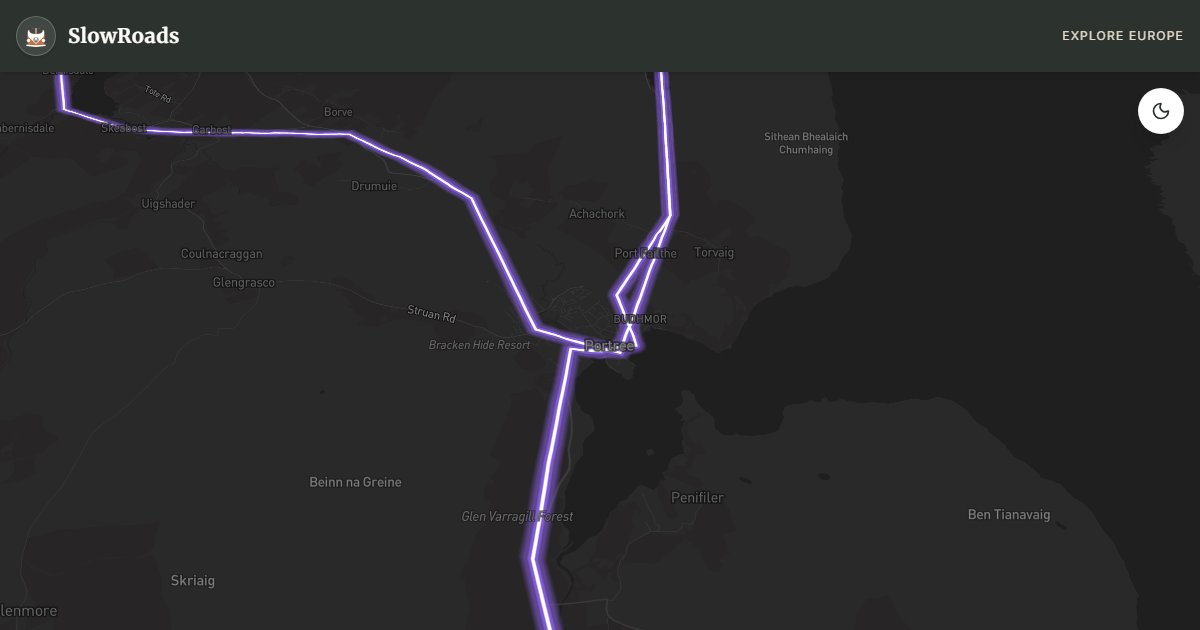
Isle of Skye circuit from Portree: Old Man of Storr, Fairy Pools, Quiraing and Talisker on busy single-tracks for patient classic campervans. The Skye Bridge is free; arrive before 9am at popular viewpoints in July and August. Campsites or designated parking only for motorhomes — lightweight tent wild camping is treated differently under the Scottish Outdoor Access Code. Fill up in Portree or Broadford. May, June and September balance weather and crowds better than peak midsummer. Carry midge repellent for still summer evenings.
Detailed Route Guide
The Isle of Skye Circuit is 129 kilometres of sheer geological drama, cultural depth, and mystical beauty — all on an island connected to the Scottish mainland by the Skye Bridge at Kyle of Lochalsh. Skye is the largest and most visited of the Inner Hebrides, and its reputation is entirely earned: the landscape shifts from the rugged gabbro peaks of the Black Cuillin to the eerie pinnacles of the Trotternish Ridge, from sea-carved sea stacks to waterfall-fed crystal pools, all within a distance you could theoretically cover in a single day. In a classic or low-power campervan, you will want considerably longer. The island is shaped for slow travel, with narrow single-track roads, dramatic viewpoints around every corner, and a culture of unhurried hospitality in its small villages and distilleries.
The most iconic landmarks on Skye each deserve time. The Old Man of Storr, a 55-metre tall rocky pinnacle on the Trotternish Peninsula, is visible from the A855 road and reached by a well-worn path that climbs steeply through heather and past smaller rock formations to its base. On calm days the views from here over the Sound of Raasay and beyond to the mainland mountains are extraordinary. Nearby, the Quiraing — a landslip plateau of dramatic rock formations, cliffs and hidden meadows — is reached by a single-track road and is far less visited than the Storr despite being arguably more spectacular. The Fairy Pools near the village of Carbost in the west of the island are another must-see: a series of crystal-clear blue-green waterfalls and pools beneath the southern slopes of the Cuillin, fed by glacially cold mountain water. Swimming in them is possible in summer but constitutes a genuine cold-water experience.
The Talisker Distillery at Carbost is Skye's oldest working distillery and produces one of Scotland's most celebrated single malts — a peaty, maritime whisky with a distinct character shaped by its island location; the newer Torabhaig Distillery on the Sleat Peninsula is a worthwhile second stop. The distillery runs tours and tastings and, for a campervan crew, makes a fine early-evening stop before finding an overnight spot nearby. The Cuillin Mountains themselves are the preserve of serious climbers and hillwalkers, but even viewed from the road or from a van parked by Loch Scavaig they are among the most dramatic mountain silhouettes in Britain. On the days — not uncommon on Skye — when low cloud drapes around the peaks and rain falls diagonally, the island takes on an even more elemental atmosphere.
Practical considerations for a campervan on Skye: the roads are narrow and busy in summer (July and August), with campervans and tourist buses creating bottlenecks at popular viewpoints. Arriving at landmarks early in the morning — before 9am — transforms the experience entirely. Lightweight tent camping is permitted under Scotland's access rights, but overnight stays in a campervan require campsites or designated parking — never passing places. The Portree area and main tourist sites have seen growing pressure on informal parking in recent years. The Skye Bridge toll was abolished in 2004, so crossing is free. Fuel is available in Portree and Broadford — fill up whenever you can.
Skye's popularity means patience is part of the scenery. Queue etiquette on single-tracks, early starts for the Quiraing and Storr, and realistic ferry or bridge timing if you are combining the island with the mainland Road to the Isles all matter more than horsepower. Midges peak on still summer evenings — carry repellent from June. If cloud wraps the Cuillin, shift plans to coastal walks or a distillery rather than forcing every viewpoint in rain. Two days is a minimum; three lets the island's weather moods settle into the trip.
Frequently Asked Questions
Points of Interest
Old Man of Storr
Nature
55 m Trotternish pinnacle above the A855
Fairy Pools
Nature
Crystal-clear pools below the Cuillin near Carbost
Route Highlights
Route Information
Navigation
* Supported by HERE Technologies, headquartered in Amsterdam, Europe. Precise routing through all waypoints.
* Waze only navigates to the starting point. Use Google Maps for the full scenic route.
Offline GPS Navigation
Download the GPX route file to navigate offline using your favorite GPS device or app (Garmin, TomTom, OsmAnd, Gaia GPS).
Ask Copilot (AI Travel Guide)
Hello! I am your SlowRoads Copilot. I know the Isle of Skye Circuit intimately. Ask me about scenic viewpoints, local history, hidden culinary gems, or the best camper spots along the way!