About This Route
One of Europe's largest intact peat-bog wilderness areas — Soomaa's fifth-season floods, dugout canoe routes, boardwalk trails, and beaver dams in western Estonia's wildest wetland. Approach roads are mostly flat for classic and low-power campervans, but spring flood season can close lanes — check conditions before committing. Base at park edges and explore by boardwalk or canoe, not soft tracks. Midges thrive in warm wet months; nets and long sleeves help. A nature-first Baltic stage where water, not mountains, sets the pace. WARNING: Flood closures possible; verify road status.
Detailed Route Guide
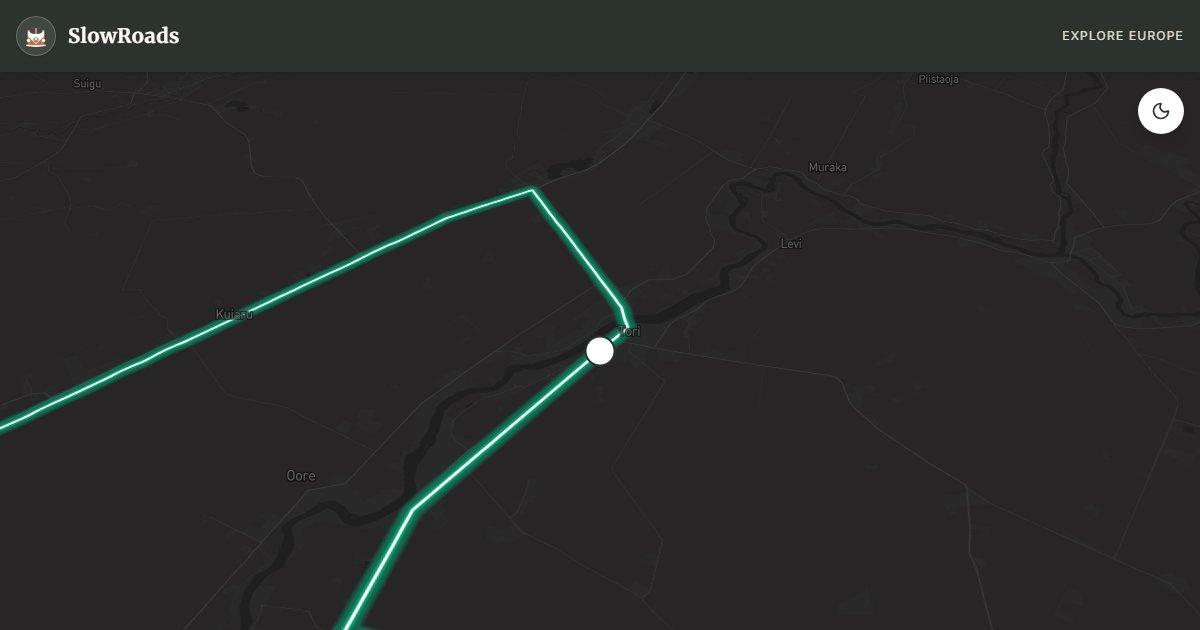
Soomaa National Park — „Land of Bogs" — protects one of Europe's largest intact peat bog wilderness areas and one of the continent's most unusual natural phenomena: the fifth season, when spring snowmelt floods the entire floodplain up to several kilometres wide, transforming forest floors into navigable waterways where locals have used dugout canoes (haabjas) for centuries. This roughly 58-kilometre loop from Tori village through the park's boardwalk trails, canoe routes, and forest roads accesses western Estonia's wildest wetland — a landscape of raised bogs, beaver dams, and silence so complete that migratory birds dominate the soundscape.
Tori anchors the loop — a small village with craft house, visitor information, and access roads into the park. The Riisa Study Trail is the essential walk — 4.8 kilometres of boardwalk through raised bog and transitional forest where beaver lodges dot the waterways, orchids bloom in June, and the observation platform delivers infinite moss views. Allow two hours; the trail is flat and accessible year-round except during peak flood when sections submerge.
The Lemmjõgi River offers multi-day dugout canoe trips through the park's core — rental companies provide traditional haabjas boats and shuttle services. Spring fifth season (March–April) is the dramatic peak — entire forests become paddleable, and guided flood tours depart from the visitor centre. Kuresoo bog viewpoint overlooks Estonia's largest raised bog from a forest platform — sunrise and sunset transform the moss carpet to gold and crimson.
For classic and low-power campervan travellers, Soomaa is mechanically effortless — flat terrain throughout — but seasonally variable. Check flood maps at the visitor centre before entering peripheral roads; spring high water can close routes for days. Allow two to three days: one for boardwalks, one for canoe or flood tour, optional third for beaver watching at dusk. Camp at Riisa or Tori periphery. May through September for dry trails; March–April for fifth season drama. Pair with Pärnu beach resort (30 minutes) or Tallinn via Rapla.
Soomaa’s “fifth season” spring floods (typically March–April) can close peripheral roads and turn meadows into canoe highways — check the visitor centre before committing a classic campervan to the outermost loops. In dry months the park is mechanically easy: flat forest asphalt, bog boardwalks, and quiet villages. Midges peak in warm still evenings; nets and long sleeves help. Overnight at designated sites near Tipu or park edges rather than informal forest clearings. Pair with Viljandi’s lake hills for an inland Estonia circuit that stays mostly gentle on low-power engines while delivering landscapes you will not find on the Tallinn coast. When floods recede, muddy verges can trap low-clearance classic campervans — stay on firm asphalt until you confirm conditions at the visitor centre. Hire canoes locally rather than towing unfamiliar boats on narrow park roads. Autumn colour in the bog pines is quieter than spring’s fifth season and just as memorable for slow travellers. Keep a spare day in the schedule if fifth-season water is high — rerouting around closed loops is slower than maps suggest, and patience is the classic campervan skill that fits Soomaa best.
Frequently Asked Questions
Points of Interest
Riisa Study Trail
Nature
A 4.8-kilometre boardwalk through raised bog and forest — beaver lodges and orchids visible from the trail.
Lemmjõgi Canoe Route
Nature
A pristine river for dugout canoe trips — multi-day wilderness paddling through Soomaa core zone.
Tori Handicraft House
Town
Gateway village to Soomaa with traditional craft demonstrations and park visitor information.
Kuresoo Bog Viewpoint
Nature
Views over Estonia's largest raised bog from a forest observation platform.
Soomaa Visitor Centre
Town
Park headquarters with flood maps, canoe rental, and guided fifth season tours.
Route Highlights
Route Information
Navigation
* Supported by HERE Technologies, headquartered in Amsterdam, Europe. Precise routing through all waypoints.
* Waze only navigates to the starting point. Use Google Maps for the full scenic route.
Offline GPS Navigation
Download the GPX route file to navigate offline using your favorite GPS device or app (Garmin, TomTom, OsmAnd, Gaia GPS).
Ask Copilot (AI Travel Guide)
Hello! I am your SlowRoads Copilot. I know the Soomaa Floodplain & Bog Wilderness intimately. Ask me about scenic viewpoints, local history, hidden culinary gems, or the best camper spots along the way!