About This Route
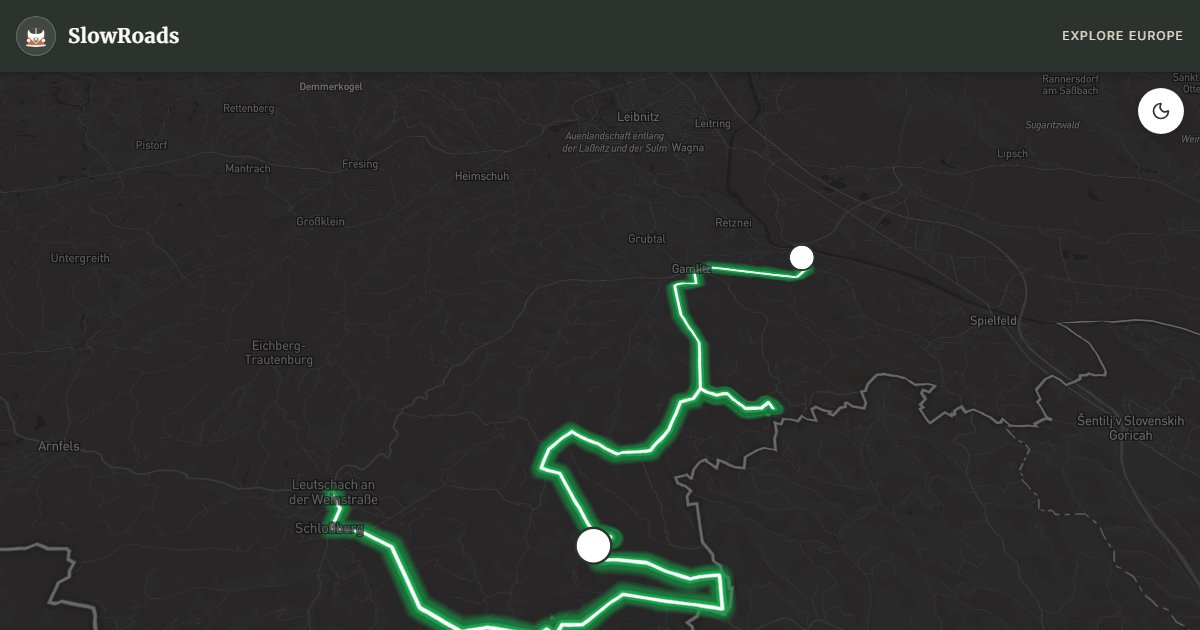
Styrian Tuscany along the Austrian–Slovenian border: roughly 28 km from Ehrenhausen to Leutschach through steep white-wine hills, poplars, and Buschenschank taverns. Short rolling climbs suit classic and low-power campervans at tasting pace — Sauvignon Blanc, Welschriesling, cash-only farm stops. May green or October harvest; avoid July–August weekends when day-trippers fill the ridge. Compact enough for a morning drive and an afternoon carafe. Wild camping on vineyard lanes is illegal — use small campgrounds and farm Stellplätze in Gamlitz or Leutschach after the tastings.
Detailed Route Guide
The Styrian Wine Road — Südsteirische Weinstraße — winds roughly 28 kilometres between Ehrenhausen and Leutschach along the Austrian–Slovenian border through one of Central Europe's most seductive white-wine landscapes. Locals call it Styrian Tuscany: rolling ridges, red soil, poplars, and vineyards of Sauvignon Blanc, Welschriesling, and Gelber Muskateller rather than Sangiovese. Drive slowly, stop often, eat and drink well. For classic and low-power campervans this is tasting-pace country — short climbs, village limits, and no alpine coolant drama.
The road is narrow, perched on crests that look south into Slovenia and north into Austrian wine villages. Buschenschank taverns — farm wineries legally serving their own wine with simple cold food — hang a pine branch above the door; surrender to the temptation. Gamlitz is the informal capital; Leutschach's visitor centre makes a fine endpoint. In places the border runs along the ridge crest — one foot in each country over impeccable geometry. Between taverns, the landscape is all vine rows, farmhouses, and the occasional church spire above the vines. Pull into signed farm parking rather than blocking harvest traffic on the crest.
Classic and low-power campervans handle the hills easily: real climbs, but short compared with alpine passes. First or second gear on some slopes, never for long. Narrow lanes suit a modest footprint; village limits kill overtaking stress. Measure the day in glasses and conversations, not kilometres. Older campers — a VW T3 among possible examples — fit when you park once at a Buschenschank and walk the ridge rather than forcing every farm lane. Carry cash: many taverns are cash only and card machines are not guaranteed on quiet weekdays. Designate a driver or plan overnight nearby if you taste more than a sip.
May's fresh shoots on red soil and October's harvest (fermenting must, lively taverns, golden leaves) are best. Midsummer is warm but busy with Austrian day-trippers — skip July–August weekends for quiet lanes. Compact enough to drive in a morning and sit outside a Buschenschank all afternoon. Small campgrounds and some farm Stellplätze in Gamlitz and Leutschach; wild camping on vineyard lanes is inappropriate and illegal. Fuel in Ehrenhausen, Gamlitz, or Leutschach before the quietest ridge stretches. Spring frost nights are rare at this elevation but mornings can be cool — pack a layer for outdoor seating.
Leave room in the day for at least two Buschenschank stops and a ridge walk with one foot notionally in Slovenia. Classic and low-power campervans fit this landscape when the goal is tasting pace, not covering the 28 kilometres as quickly as possible. Pair with a night in Graz if you want city contrast after the vines, or stay on the ridge and wake to mist in the valleys. Shoulder-season weekdays deliver empty lanes and open tavern doors; that is the Styrian Wine Road at its best for patient drivers in modest vans. If you continue toward Slovenia, check border formalities for your vehicle documents, then return to Austrian campsites for a legal overnight. Take the ridge at tasting pace and the landscape will do the rest.
Frequently Asked Questions
Points of Interest
Border Checkpoint View
Nature
Castle Ehrenhausen
Castle
Route Highlights
Route Information
Navigation
* Supported by HERE Technologies, headquartered in Amsterdam, Europe. Precise routing through all waypoints.
* Waze only navigates to the starting point. Use Google Maps for the full scenic route.
Offline GPS Navigation
Download the GPX route file to navigate offline using your favorite GPS device or app (Garmin, TomTom, OsmAnd, Gaia GPS).
Ask Copilot (AI Travel Guide)
Hello! I am your SlowRoads Copilot. I know the Styrian Wine Road intimately. Ask me about scenic viewpoints, local history, hidden culinary gems, or the best camper spots along the way!