About This Route
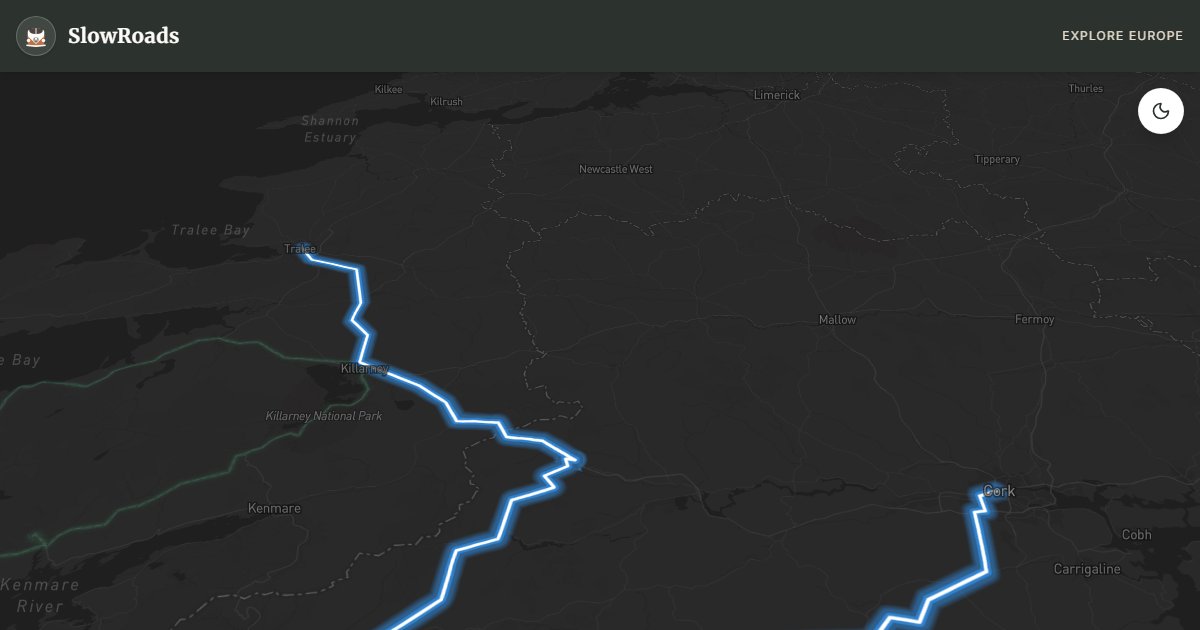
Follow the Wild Atlantic Way south from Cork to Tralee — about 257 km through West Cork, Mizen Head, and Beara’s Healy Pass for classic campervans over two to three slow days. Narrow R-roads, stone walls, and Atlantic weather ask for patience and pull-ins more than power. Healy Pass climbs need cooling checks in loaded older vans; descend in low gears. Official campsites only. May–June and September feel kinder than August coach peaks. Fill fuel in Cork, Bantry, or Kenmare before quieter headlands. Left-hand driving and sudden fog on cliffs reward an unhurried classic-camper pace.
Detailed Route Guide
The Wild Atlantic Way is the world's longest officially defined coastal touring route, stretching about 2,500 kilometres along Ireland's western seaboard. This southern section — roughly 257 kilometres from Cork through West Cork and the Beara Peninsula up to Tralee in Kerry — captures some of its most dramatic character: sandstone headlands, blow-holes, sea arches and cliff faces shaped by Atlantic swells, layered with Iron Age forts, famine-era villages and working fishing harbours.
West Cork alone justifies the detour. Kinsale, south of Cork, is a handsome harbour town known for food and the star-shaped Charles Fort overlooking the estuary. Skibbereen's heritage centre is among the most affecting famine museums in the country. The road to Mizen Head, the most south-westerly point of mainland Ireland, crosses a suspension bridge to a signal station above churning sea. Beara, often skipped by visitors rushing to Kerry, offers Healy Pass — tight switchbacks and vertiginous views — and the Dursey Island cable car, the only aerial tramway across a sea channel in Ireland or Britain. North through Kenmare the route joins Kerry's coast toward Tralee, gateway to Dingle.
For classic and low-power campervans this multi-day drive needs planning. The N71 through West Cork is well maintained and scenic; peninsula roads such as the R591 on Beara narrow sharply. Healy Pass has steep gradients and hairpins — manageable in a low gear with patience, but avoid towing heavy loads there. Break naturally into two or three days with overnight stops in Skibbereen, Bantry, Glengarriff or Kenmare (campsites or van-friendly parking). Top up fuel before every peninsula spur. Coastal weather flips fast — layers and waterproofs regardless of the forecast.
May and June are prime: wildflowers, yellow gorse and manageable crowds. September and early October bring long clear evenings and quieter roads. November to February show the Atlantic at its fiercest — dramatic but hard going in an unheated older van. Birdwatchers prize autumn landfalls on headlands like Mizen and Galley Head. Build in extra time: this coast asks you to stop, walk to cliff edges and listen.
Think of this southern Wild Atlantic Way as a string of peninsulas rather than a single highway. Each spur — Mizen, Sheep's Head if you detour, Beara — deserves its own morning or afternoon, and turning around early is better than arriving exhausted at a cliff car park after dark. Classic campervans shine here when you accept 40–50 km/h averages and stop for chowder in harbour pubs. Watch for cyclists on the N71 in summer and for farm traffic on R-roads. If Healy Pass feels too committing in wind or rain, the coastal road around Beara still delivers drama without the hairpins. Book campsites in July and August; shoulder season often allows more flexible overnight plans at caravan parks. Leave No Trace on every headland walk — this coast's beauty depends on travellers who treat lay-bys and beaches as shared, not free camps.
Keep a flexible buffer day if Atlantic fronts stall your Mizen or Beara plans — West Cork towns reward an unscheduled afternoon of galleries, harbours and second-hand bookshops when cliffs are closed by wind.
Frequently Asked Questions
Points of Interest
Mizen Head
Nature
Most south-westerly point of mainland Ireland
Route Highlights
Route Information
Navigation
* Supported by HERE Technologies, headquartered in Amsterdam, Europe. Precise routing through all waypoints.
* Waze only navigates to the starting point. Use Google Maps for the full scenic route.
Offline GPS Navigation
Download the GPX route file to navigate offline using your favorite GPS device or app (Garmin, TomTom, OsmAnd, Gaia GPS).
Ask Copilot (AI Travel Guide)
Hello! I am your SlowRoads Copilot. I know the Wild Atlantic Way (South) intimately. Ask me about scenic viewpoints, local history, hidden culinary gems, or the best camper spots along the way!