About This Route
Latvia's largest national park — sandstone cliffs, Turaida Castle, Sigulda adventure infrastructure, and Cēsis medieval ruins along the Gauja River valley north of Riga. Access roads to cliff viewpoints can reach about 7%; classic and low-power campervans should use low gears and marked parking rather than soft verge stops. Base in Sigulda or Cēsis and walk castle grounds. Autumn colours on sandstone are spectacular; summer weekends bring day-trippers from Riga. An hour from the capital yet deep forest — Latvia's signature slow-travel valley. WARNING: Steep access to some viewpoints.
Detailed Route Guide
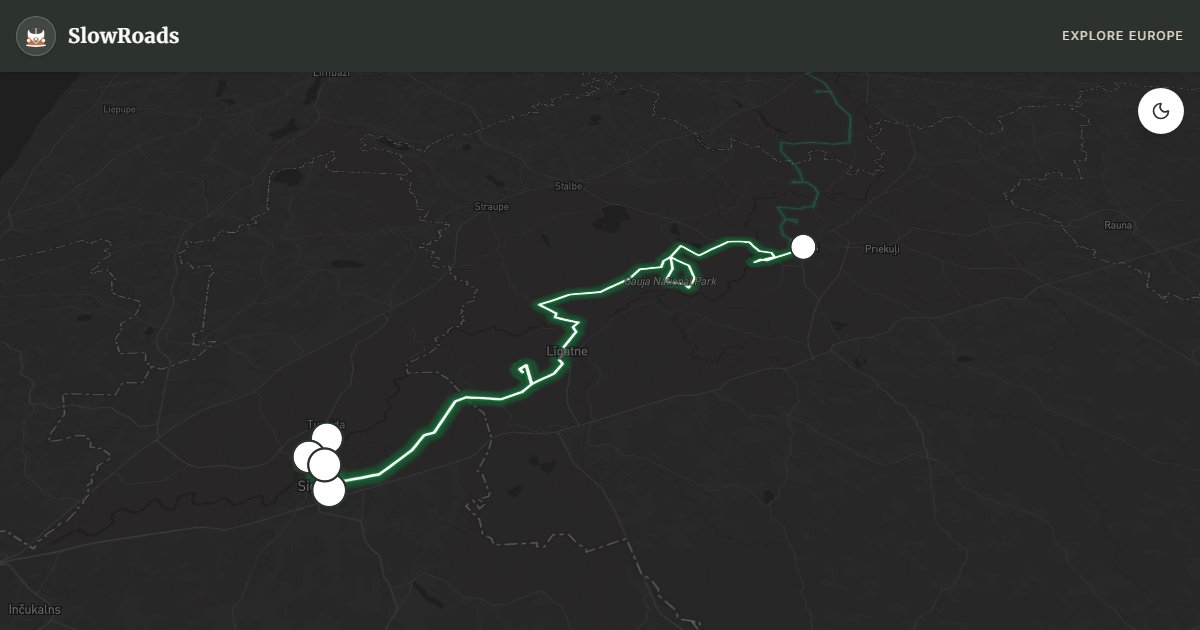
The Gauja National Park is Latvia's wild heart — a river valley carved through Devonian sandstone cliffs up to ninety metres high, cloaked in mixed forest where bears and lynx still roam, and dotted with medieval castles that mark the frontier zone where German crusaders, Livonian bishops, and Latvian tribes contested territory for centuries. This roughly 64-kilometre corridor from Sigulda to Cēsis follows the Gauja River through the park's most accessible and spectacular section, an hour north of Riga on good roads that climb to cliff viewpoints requiring modest mechanical attention from classic campervan drivers on the steepest access ramps.
Sigulda anchors the southern end — Latvia's adventure tourism capital with a bobsleigh track from Soviet Olympic training days (summer wheeled rides available), a cable car crossing the Gauja gorge, and access to Turaida Castle across the river. Turaida is the valley's crown jewel: thirteenth-century red brick on a forested promontory, a museum of the Rose of Turaida legend (a tragic love story that became Latvia's national myth), and gardens overlooking the sandstone escarpment. The walk from Sigulda to Turaida via the Gauja footpath takes ninety minutes through Gūtmaņala Cave — the Baltic states' largest cave, a sandstone grotto with centuries of carved graffiti.
Northward, the valley widens through Līgatne paper mill village (secret Soviet bunker tours available) toward Cēsis — a Hanseatic town with thirteenth-century Livonian Order castle ruins where visitors climb the western tower by candlelight. Cēsis old town preserves cobbled squares, a brewery in the castle courtyard, and the quiet dignity of one of Latvia's oldest continuously inhabited towns. Forest roads between viewpoints reach 7% grades on short sections — classic campervan drivers should use second gear on the Turaida hill access.
For slow van travellers, allow two to three days: Sigulda and Turaida one day, Cēsis and northern valley one day, optional third for Līgatne trails and canoeing on the Gauja. Camp at Sigulda autocamp, Cēsis periphery, or designated NP parking. May through October is the season; autumn colour peaks in late September. Pair with Riga's art nouveau architecture or continue northeast to Vidzeme forest roads.
Classic and low-power campervan notes: the Turaida hill access is the only sustained grade — second gear up, engine braking down, cool at the castle car park. Sigulda and Cēsis both have fuel and shops; Līgatne bunker tours need advance booking in peak season. Overnight at Sigulda autocamp or Cēsis periphery rather than wild camping in core park zones. Autumn colour on the sandstone cliffs peaks in late September; spring brings high water for canoe trips from Cēsis toward Sigulda. Pair with Vidzeme forest roads for a full northern Latvia week.
Sigulda and Cēsis both work as overnight bases with campsites and guesthouse parking; Turaida’s castle approach is the only short grade that asks for second gear in a loaded classic campervan. Cable-car and bobsleigh viewpoints are walk-from-parking stops — leave the van in signed lots rather than hunting riverside pull-offs. Riga day-trippers pack the gorge on summer weekends; midweek or shoulder season keeps the sandstone cliffs quieter. Pair Gauja with Cape Kolka or Vidzeme forest roads for a northern Latvia week that stays mostly gentle on the engine.
Frequently Asked Questions
Points of Interest
Turaida Castle
Castle
A thirteenth-century red-brick castle on the Gauja escarpment with a folk legend museum and rose garden.
Gūtmaņala Cave
Nature
The widest and highest cave in the Baltic states — sandstone grotto with carved inscriptions since the seventeenth century.
Sigulda Bobsleigh Track
Monument
A former Olympic training track — summer wheeled bobsleigh rides for visitors.
Cēsis Castle Ruins
Castle
Thirteenth-century Livonian Order castle ruins with candlelit tower climbs and brewery courtyard.
Gauja River Cable Car
Nature
A Soviet-era cable car crossing the Gauja gorge — panoramic views over forest and sandstone cliffs.
Route Highlights
Route Information
Navigation
* Supported by HERE Technologies, headquartered in Amsterdam, Europe. Precise routing through all waypoints.
* Waze only navigates to the starting point. Use Google Maps for the full scenic route.
Offline GPS Navigation
Download the GPX route file to navigate offline using your favorite GPS device or app (Garmin, TomTom, OsmAnd, Gaia GPS).
Ask Copilot (AI Travel Guide)
Hello! I am your SlowRoads Copilot. I know the Gauja Valley & Sigulda Escarpment intimately. Ask me about scenic viewpoints, local history, hidden culinary gems, or the best camper spots along the way!