Sarajevo–Mostar Heritage Corridor
About This Route
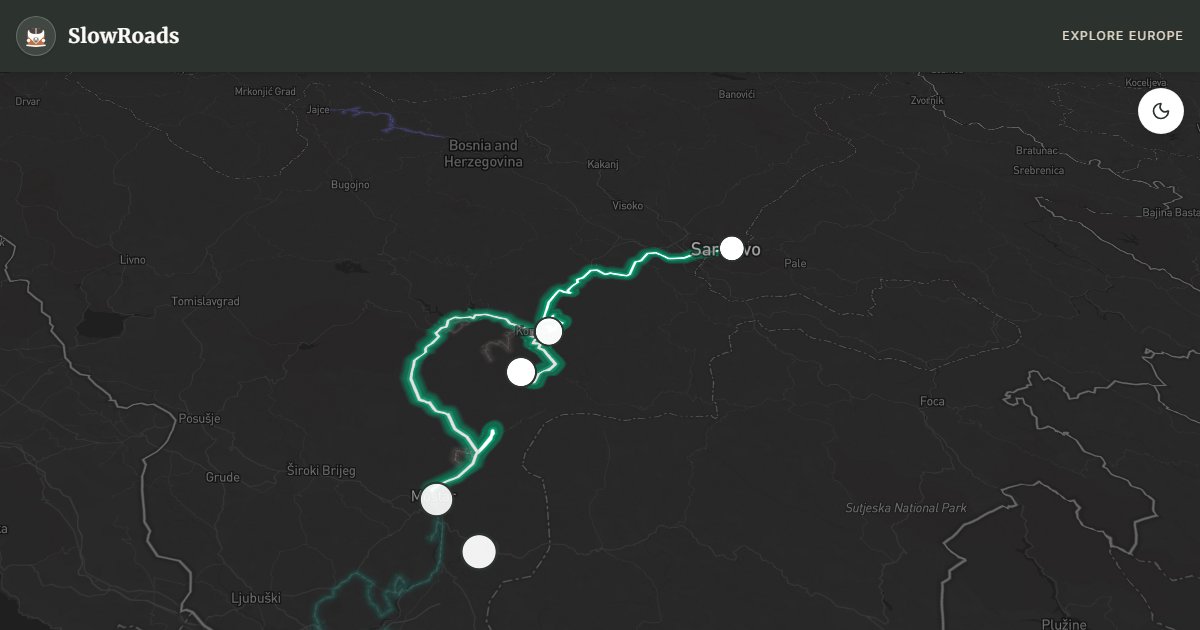
The classic M17 corridor through Bosnia's heart — Ottoman Sarajevo's Baščaršija bazaars, Konjic's six-arched stone bridge, Jablanica's wartime lake and memorials, then the Neretva approach to Mostar. Mostly moderate grades on a well-paved highway with dramatic river valleys, so classic and low-power campervans can cruise without alpine stress. Stop for ćevapi in Sarajevo, riverside coffee in Konjic, and arrive Mostar with daylight for Stari Most. Use camps and city parking on the edge; old cores are cobbled and tight. A foundational two-day Balkan stage linking capital culture to Herzegovina light.
Detailed Route Guide
The Sarajevo–Mostar corridor is Bosnia and Herzegovina's essential overland journey — roughly 175 kilometres along the M17 highway through a landscape where Ottoman minarets, Austro-Hungarian facades, and war memorials share the same river valleys, and the Neretva's turquoise water cuts deeper canyons as it flows south toward the Adriatic. For slow van travellers, this is the country's most straightforward scenic drive: paved throughout, moderate grades, plentiful fuel and food stops, and a concentration of UNESCO sites and living craft traditions that justify two full days rather than a rushed transit.
Sarajevo deserves at least one complete day before driving south. The Baščaršija old bazaar — copper hammering, coffee rituals in džezva pots, and ćevapi grilled on street corners — sits beside Austro-Hungarian architecture and the poignant "Sarajevo roses" — red resin fills in shell craters from the 1990s war, marking where mortars fell on civilians. Park the van at the designated lot below the old town (tight streets above are unsuitable for campers) and walk the compact historic core. The Tunnel Museum on the city edge documents survival during the siege — sobering but essential context for understanding Bosnia's modern landscape.
South on M17, the road follows the Neretva's upper valley through Konjic — a town whose six-arched Ottoman bridge mirrors Mostar's famous span upstream. Konjic's woodcarving tradition and the nearby Tito's bunker (a vast Cold War nuclear shelter open for tours) make a worthwhile pause. Jablanica brings history and scenery together: a mountain lake backed by cliffs, a memorial to the 1943 partisan bridge demolition, and roadside restaurants serving trout from the reservoir.
The final approach to Mostar descends into the Neretva gorge — the river narrows, the canyon walls rise, and the UNESCO Old Bridge (Stari Most) appears above the market quarter like a stone arc frozen in mid-leap. Mostar's old town is compact but parking for vans is limited near the bridge; use the municipal lot on the west bank and walk across. Blagaj, fifteen minutes south, adds the cliff-side Dervish tekke where the Buna springs from a cave — one of Bosnia's most photogenic sites.
For classic and low-power campervan drivers, M17 is mechanically undemanding — the main challenge is navigating Sarajevo's hills on approach and finding overnight parking in historic towns. Camp at Sarajevo's autocamp, Jablanica lake shore guesthouses, or Mostar's riverside campsites. May through October is ideal; winter is mild in the valley but mountain passes north of Sarajevo can ice. This corridor forms the backbone for Bosnia's Neretva canyon and Blidinje extensions. Cash planning matters as much as gradients: BAM and euros both work, but rural restaurants and small fuel stops often prefer notes. Fill the tank in Sarajevo or Mostar before long valley stretches. The corridor is the backbone for Neretva canyon and Blidinje extensions — use it as two unhurried days rather than a transit dash, and keep overnighting at autocamps or riverside sites rather than historic cores. Classic and low-power campervans will find M17 forgiving; the real skill is patience in city approaches and respect at memorial sites.
Frequently Asked Questions
Points of Interest
Sarajevo Baščaršija
Monument
Ottoman old bazaar — copper workshops, ćevapi alleys, and the Gazi Husrev-beg mosque.
Konjic Old Bridge
Monument
A six-arched Ottoman stone bridge over the Neretva's turquoise upper reaches.
Jablanica Lake
Nature
A mountain reservoir beneath WW2 memorial sites and the famous destroyed bridge.
Blagaj Tekke
Monument
A Dervish monastery at the base of a cliff where the Buna river erupts from a cave.
Mostar Old Bridge Area
Monument
UNESCO Stari Most and the cobbled Kujundžiluk craft market on the Neretva gorge.
Route Highlights
Route Information
Navigation
* Supported by HERE Technologies, headquartered in Amsterdam, Europe. Precise routing through all waypoints.
* Waze only navigates to the starting point. Use Google Maps for the full scenic route.
Offline GPS Navigation
Download the GPX route file to navigate offline using your favorite GPS device or app (Garmin, TomTom, OsmAnd, Gaia GPS).
Ask Copilot (AI Travel Guide)
Hello! I am your SlowRoads Copilot. I know the Sarajevo–Mostar Heritage Corridor intimately. Ask me about scenic viewpoints, local history, hidden culinary gems, or the best camper spots along the way!